

Breast cancer is one of the most commonly diagnosed cancers among women in the United States. It accounts for approximately 30% of all new cancer cases diagnosed in women each year and about 1 in 8 women in the U.S.is expected to develop invasive breast cancer during her lifetime. Although breast cancer predominantly affects women, men can also develop the disease, although male breast cancer is considerably less common.
Breast cancer is also a significant cause of cancer-related mortality among American women and is the second leading cause of cancer death after lung cancer. Despite improvements in diagnosis and treatment, significant racial and ethnic disparities continue to affect breast cancer results. Black women have a somewhat lower overall incidence of breast cancer than white women but face a substantially higher risk of dying from the disease.
Overall, while breast cancer continues to represent a major health concern in the United States, earlier detection and rapid advances is important in improving survival and quality of life for many patients.
Dr. Ravi Gupta: Integrative Ayurveda Specialist for Breast Cancer Treatment in the United States (USA)
Dr. Ravi Gupta, M.D. (Ayurveda), is an Ayurveda physician and cancer-care consultant who provides integrative Ayurvedic treatment for patients with breast cancer in the United States (USA). His approach focuses on developing individualized treatment plans based on the patient’s diagnosis, cancer stage, treatment history, overall health, nutritional needs, and ongoing conventional cancer treatment.
Patients and their families can consult Dr. Gupta to discuss how Ayurvedic principles and different therapies can be incorporated safely into an individualized breast cancer care plan. Through a personalized and holistic approach, Dr. Gupta aims to treat patients throughout different stages of their breast cancer journey while keeping patient safety, informed decision-making, and continuity of cancer care at the centre of the treatment plan.
Treatment of Breast Cancer through Ayurveda
Ayurvedic Treatment of Breast Cancer is individualized for each and every breast cancer patient. Treatment planning includes selected herbal medicines, Panchakarma therapies, Rasayana therapy, and personalized dietary modifications based on the patient’s constitution, strength, digestive capacity, nutritional status, symptoms, stage of disease, and ongoing treatments. Treatment principles include:
1) Herbal Medicine in Integrative Oncology for Breast Cancer Patients
Classical Ayurveda recommends herbal interventions for deep-seated tissue masses (Granthi or Arbuda) or tumors. Different herbal medicines that prove beneficial in breast cancer patient as follows:
a) Lekhana Medicines:
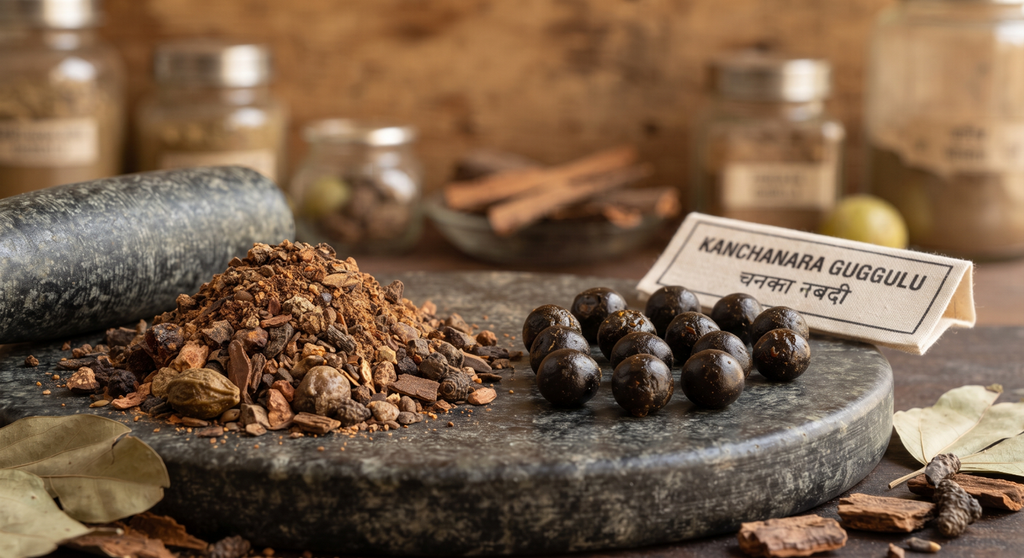
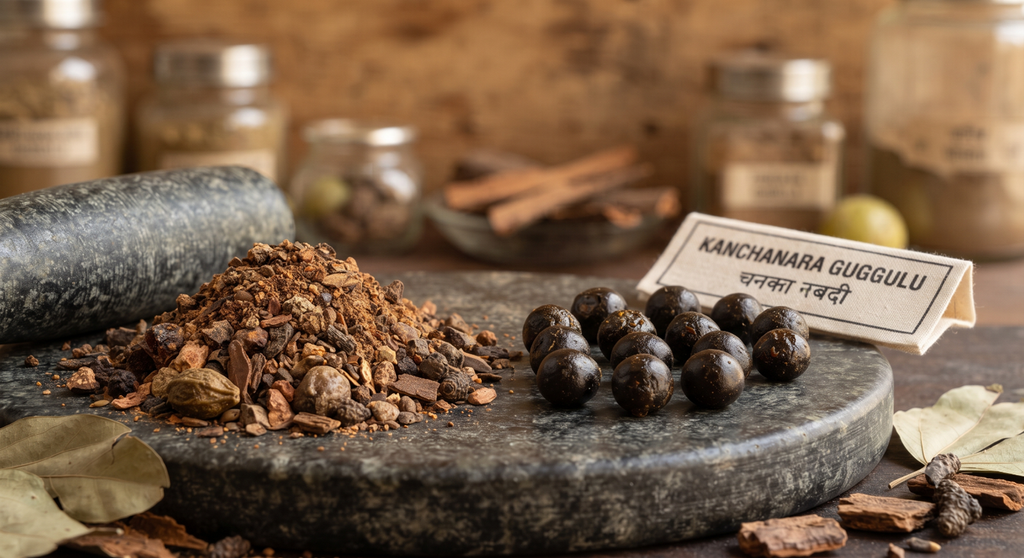
Formulations like Kanchanara Guggulu (Bauhinia variegata combined with guggulu resin, triphala, and trikatu) are traditionally advised for their lekahana (scraping/reducing) properties. Preclinical and clinical evaluations highlight its role in managing nodular swellings and altering cellular proliferation dynamics in benign and complex tissue growths through high concentrations of active phenolic and flavonoid constituents (such as gallic and ellagic acids).
b) Targeted Anti-Inflammatory Pathways:
Standardized extracts of Curcuma longa (Curcumin) or different classical formulations of haridra are widely integrated to target intracellular signaling pathways (such as downregulating NF-κB and STAT3), helping to limit chronic systemic inflammation, manage oxidative stress, and enhance the tolerability of standard chemo-radiotherapy regimens.
2) Panchakarma and Shodhana in Integrative Oncology for Breast Cancer Patients
Panchakarma (purificatory bio-cleansing) and other Shodhana (detoxification) therapies in breast cancer patients requires exceptional clinical precision. Focus is generally placed on gentle metabolic clearance, symptom control, and nervous system resilience.
a) Modified and Mṛudu Shodhana Protocols
During remission windows, recovery phases, or preparatory intervals between conventional cycles, clinicians occasionally utilize Mṛudu Shodhana (mild, gentle internal oleation (Snehana) and minimal clearance). This approach aims to gently mobilize deep-seated metabolic toxins (Ama) out of the lymphatic and circulatory channels without depleting vital reserves (Ojas).
b) Targeted External Therapies:
While internal cleansing is managed, external Snehana and Swedana (mild oleation and localized thermal applications) or specialized soothing applications are utilized to manage treatment side effects. For instance, cooling, non-invasive external herbal pastes (Lepa) or gentle localized oleation help soothe radiation-induced skin sensitivities and localized tissue stiffness.
3) Rasayana Therapy (Rejuvenation) in Integrative Oncology for Breast Cancer Patients
Rasayana Therapy is an important Ayurvedic rejuvenation approach that focuses on restoring strength, vitality, and overall well-being, particularly during post-treatment recovery and further can prevent relapse.
a) Post-Treatment Recovery: Rasayana therapy is an important component of Ayurvedic care following primary oncological interventions such as surgery, chemotherapy, or radiation therapy.
b) Restoration of Strength and Vitality: Individualized Rasayana therapy aim to support recovery, improve physical strength, energy levels, and overall well-being during the post-treatment period.
c) Tissue Nourishment: Rasayana formulations are traditionally used to support the nourishment and restoration of important body tissues, including Rasa, Rakta, and Mamsa Dhatus.
d) Cellular Resilience: Customized rejuvenative approaches aim to promote tissue health, physiological resilience, and long-term restoration.
e) Individualized Approach: Rasayana protocols can be customized according to the individual’s constitution, treatment history, current health status, and medical requirements.
4) Dietary Modifications (Ahara) in Integrative Oncology
Dietary protocols for patients managing breast cancer focus on preserving and enhancing digestive capacity (Agni), preventing and removing the accumulation of deep-seated metabolic toxins (Ama), and supporting nutritional status of breast cancer patients. Principles of dietary modifications in breast cancer patients as follows:
a) Agni Protection and Digestive Simplicity: Diets prioritize warm, freshly prepared, easily digestible foods that do not depress a compromised metabolic fire (Agni). Staples include light porridges, moong dal khichdi, well-cooked seasonal vegetables, and clear vegetable broths spiced gently with cumin and coriander.
b) Anti-Inflammatory and Antioxidant Focus: Meals in breast cancer patients should incorporate dense sources of polyphenols and antioxidants, including fresh turmeric, ginger, garlic, and cruciferous vegetables (such as broccoli and cabbage), and it further assist with cellular protection.
c) Kapha and Ama Mitigating Guidelines: Heavy, cold, processed, refined-sugar, and deep-fried foods are strictly restricted, as they are considered abhishyandi (channels-blocking) as per Ayurvedic texts and tend to aggravate Kapha and compound Ama.
Contact Dr. Ravi Gupta for Breast Cancer Treatment in the USA
Patients in the USA seeking personalized Ayurvedic and integrative support for breast cancer can consult Dr. Ravi Gupta for individualized guidance. His approach focuses on supportive Ayurvedic care, including dietary and lifestyle recommendations and personalized treatment strategies, alongside appropriate conventional oncology care.
For consultation and further information,
contact Dr. Ravi Gupta at +91-9819274611.