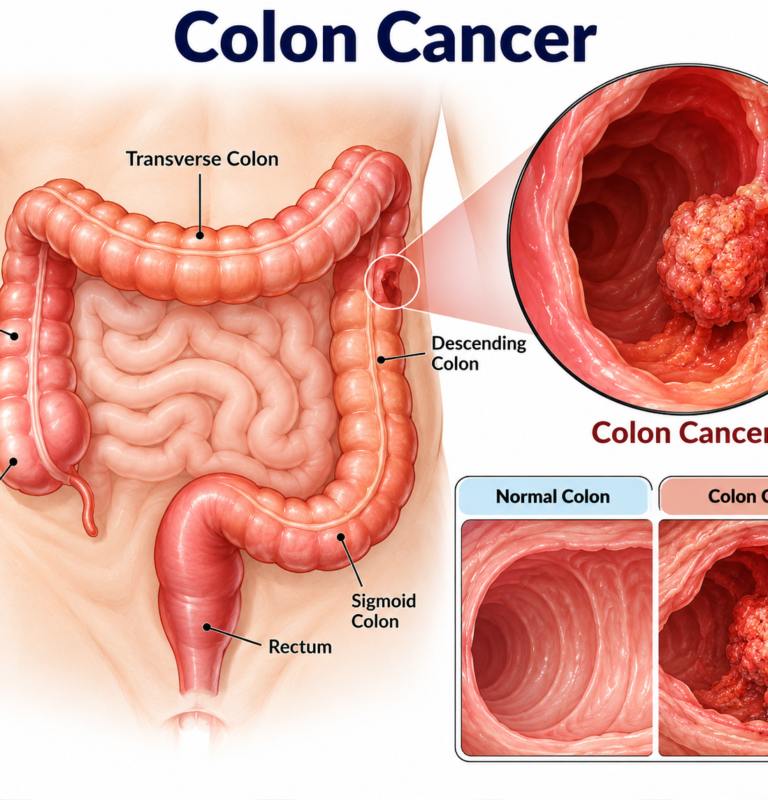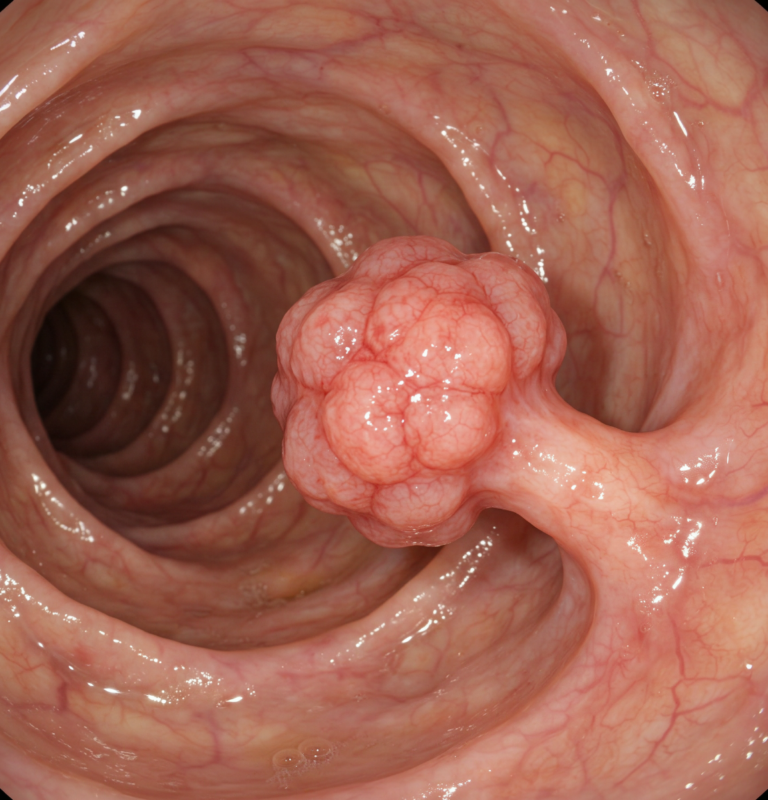
Colorectal cancer, which includes cancers of the colon and rectum, is the third most commonly diagnosed cancer and the second leading cause of cancer-related deaths worldwide. According to WHO and IARC estimates, approximately 1.93 million new cases and over 900,000 deaths occur every year. Although it is more common in people over 50, cases among younger adults are also increasing. Developed countries report higher incidence rates, but the disease is becoming increasingly common in developing nations because of changing lifestyles and diets.
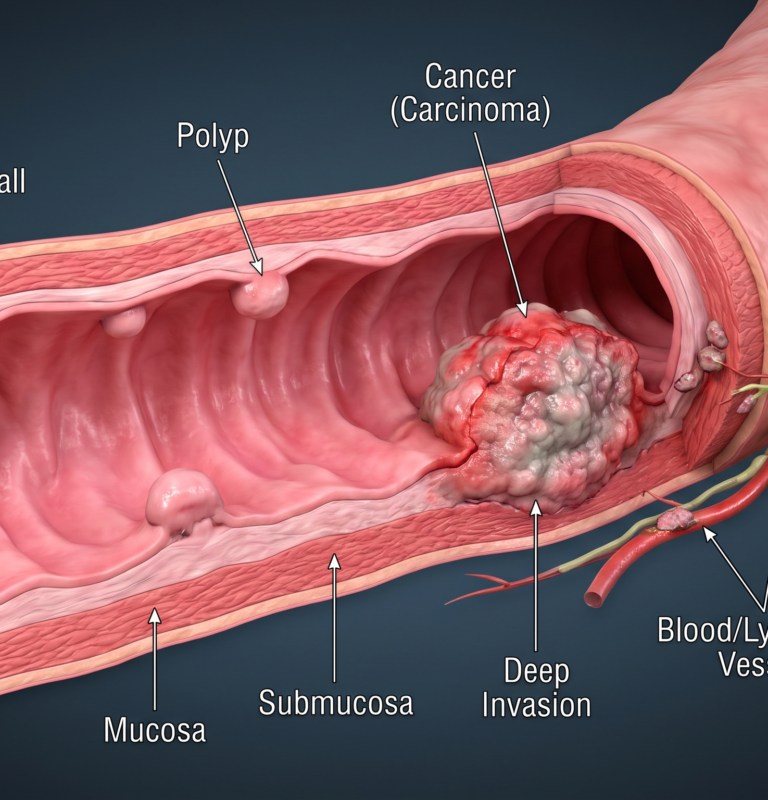
Colon cancer is a type of cancer that develops in the large intestine (colon), usually beginning in its inner lining and often developing from precancerous growths called polyps. It is a major health concern worldwide due to its rising incidence and mortality. GLOBOCAN 2022 reported approximately 1.14 million new cases of colon cancer and 538,167 deaths globally. When combined (colorectal cancer), colon and rectal cancers are the third most commonly diagnosed cancer and the second leading cause of cancer-related deaths in the world, with about 1.9 million new cases diagnosed each year.
Colorectal cancer is a major global health problem and the third most common cancer in the world, and the second leading cause of cancer-related deaths. The Global Cancer Observatory (GLOBOCAN) estimate is that the disease accounts for approximately 1.9 million new cases and over 900,000 deaths annually. Socioeconomic development strongly determines disease burden epidemiology, with traditionally higher rates of incidence in high‐income regions such as Australia, New Zealand, Western Europe and North America. However, rapid economic transitions, as well as changing dietary patterns and lifestyle changes, have resulted in increasing numbers of diagnoses in transitioning, middle-income and low-income countries.
Colon cancer is a type of cancer that develops in the colon, which is the main part of the large intestine. It usually begins in the inner lining of the colon and often develops from precancerous growths called polyps. Common symptoms include blood in the stool, persistent changes in bowel habits, abdominal pain, unexplained weight loss, fatigue and iron-deficiency anaemia. Risk factors include increasing age, family history of colorectal cancer, obesity, physical inactivity, smoking, alcohol consumption and diets high in processed meat. Colon cancer is diagnosed through investigations such as colonoscopy, biopsy and imaging.