

Breast cancer is the most common non-skin cancer among women in the United States and represents roughly around 30% to 32% of all newly diagnosed female cancers each year. Approximately 1 in 8 women, or about 13% of the U.S. female population are at a risk to be diagnosed with invasive breast cancer over the course of their lifetime. Despite these high numbers, breast cancer is the second leading cause of cancer death among U.S. women, trailing only lung cancer.
Due to continuous advancements in early detection technologies like screening mammography and innovative targeted treatments have driven the 5-year relative survival rate for localized breast cancer to over 99%. In terms of risk factors and demographics, most breast cancers are diagnosed in people over the age of 55, with the median age of diagnosis being 62. Patients in the United States seeking integrative Ayurvedic treatment and personalized guidance for breast cancer management can consult Dr. Ravi Gupta, M.D. (Ayurveda).
Dr. Ravi Gupta: Integrative Ayurvedic Specialist for Breast Cancer Treatment in the USA
Dr. Ravi Gupta is an experienced integrative Ayurvedic specialist dedicated to providing Ayurvedic treatment and natural healing protocols for breast cancer patients and survivors. Holding an M.D. in Ayurveda, he bridges traditional medical principles with modern wellness needs, focusing heavily on individualized treatment plans that address a patient’s unique medical history, nutrition, lifestyle, and overall well-being.
For individuals in the United States suffering from breast cancer diagnosis, conventional treatment recovery, or long-term survivorship, his practice offers specialized guidance. He offers tailored consultations and further patients can explore safe integrative approaches—including targeted herbal formulations, dietary modifications, and rejuvenating therapies—designed to complement standard medical treatments, manage side effects, and enhance quality of life.
Integrative Breast Cancer Treatment: Combining Ayurveda with Modern Cancer Treatment
Integrative cancer care does not mean replacing modern cancer treatment with Ayurvedic medicine. Instead, it focuses on bringing together the strengths of modern oncology and supportive traditional approaches. Integrative Ayurvedic Treatment strongly focuses on areas such as treatment of breast cancer, nutrition, physical strength, digestion, sleep, emotional well-being, stress management, and quality of life. Every patient’s treatment plan should be individualized according to factors such as the type and stage of breast cancer, hormone receptor status, HER2 status, ongoing treatment, medical history, nutritional condition, and individual symptoms. Ayurvedic integrative treatment of principles of breast cancer includes:
1) Nutritional and Digestive Support
Breast cancer and its treatment can significantly affect appetite, digestion, taste, body weight, and overall nutritional status. As per Ayurveda, nutritional support should focus not only on what a patient eats but also on the quality, quantity, timing, digestibility, and individual tolerance of food.
Loss of appetite, or cancer-related anorexia, can be due to tumor-related inflammation, chemotherapy side effects, altered taste and smell, and psychological stress. This can further reduce calorie intake and contribute to progressive malnutrition. Therefore, the primary goal of Ayurvedic dietary support is to maintain body strength, support tissue nourishment, reduce fatigue, and help prevent excessive weight loss.
Principal of Ayurvedic Nutritional and Digestive Support for Breast Cancer Patient includes:
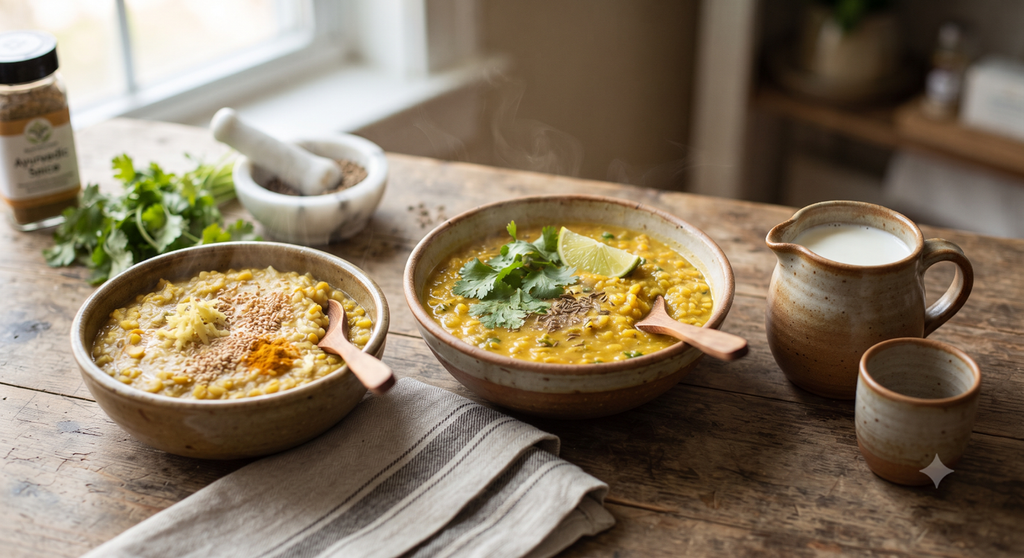
a) Mung bean (Moong dal) soup: It provides relatively gentle protein while supporting nourishment, appetite, strength, and recovery without placing excessive burden on digestion.
b) Yavagu (Ayurvedic rice gruel): It is light, semi-liquid and easily digestible preparation that can be useful when appetite and digestive strength are reduced.
c) Shunthi Yavagu (Ginger rice gruel): It should be considered for patients experiencing poor digestion, reduced appetite, gas, bloating, or abdominal discomfort.
d) Goat milk: Goat milk is better tolerated by some patients experiencing reduced appetite, weight loss, or weak digestion.
e) Nourishing foods such as dates, raisins, and dry fruits: It should be incorporated appropriately to support calorie and nutritional intake when tolerated.
f) Adequate fluids and hydration: Maintaining hydration is particularly important during periods of treatment-related fatigue, poor intake, or increased fluid loss.
2) Rasayana and Supportive Ayurvedic Care for Breast Cancer Patient
Rasayana therapy can be considered as an individualized component of patient care, particularly for patients experiencing weakness, fatigue, reduced appetite, weight loss, impaired digestion, or reduced overall quality of life. Rasayana occupies an important place in Ayurveda and is traditionally associated with nourishment, preservation of vitality, maintenance of strength, and support of overall physical and mental well-being.
Different Rasayana Formulations include:
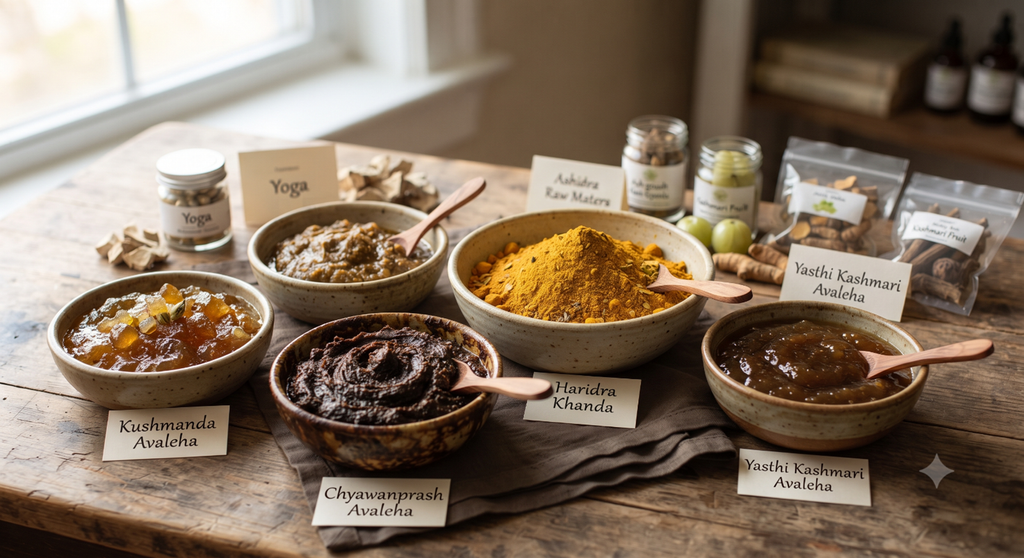
a) Kushmanda Avaleha
Kushmanda Avaleha is traditionally regarded as a nourishing Ayurvedic preparation and can be considered in patients experiencing weakness, reduced strength, poor nutritional intake, or tissue depletion.
b) Chyawanprash Avaleha
Chyawanprash Avaleha is one of the best-known classical Rasayana preparations in Ayurveda and is traditionally used to support general vitality, nourishment, strength, and overall health.
c) Haridra Khanda Yoga
Haridra Khanda Yoga is an Ayurvedic formulation centered around Haridra (turmeric), traditionally valued in Ayurveda for its role in maintaining overall health and addressing inflammatory and allergic conditions.
d) Yasthi Kashmari Avaleha
Yasthi Kashmari Avaleha is a Ayurvedic preparation in appropriately selected patients, particularly where the therapeutic objective is to support nourishment, strength, tissue maintenance, and recovery.
3) Yoga and Lifestyle in Breast Cancer Care
Appropriately designed yoga and lifestyle practices can be useful components of breast cancer care.
Depending on the patient’s physical condition, these can include:
a) Gentled yoga postures.
b) Breathing exercises
c) Meditation
d) Relaxation practices
e) Gradual physical rehabilitation
f) Sleep-supportive routines
g) Stress-management strategies
Following breast surgery, exercises should be selected carefully, particularly when there is limited shoulder mobility, surgical recovery, or a risk of lymphedema. Guidance from the oncology and rehabilitation team is important.

Contact Dr. Ravi Gupta for Ayurvedic Supportive Treatment of Breast Cancer in the USA
If you are looking for an integrative and personalized Ayurvedic approach for breast cancer treatment in the USA, you should consult Dr. Ravi Gupta, M.D. (Ayurveda). His approach focuses on individualized Ayurvedic supportive care, including dietary guidance, Rasayana therapy, lifestyle recommendations, and supportive management based on the patient’s overall health and ongoing oncology treatment.
To learn more about consultation and treatment options, contact Dr. Ravi Gupta at +91-9819274611.