
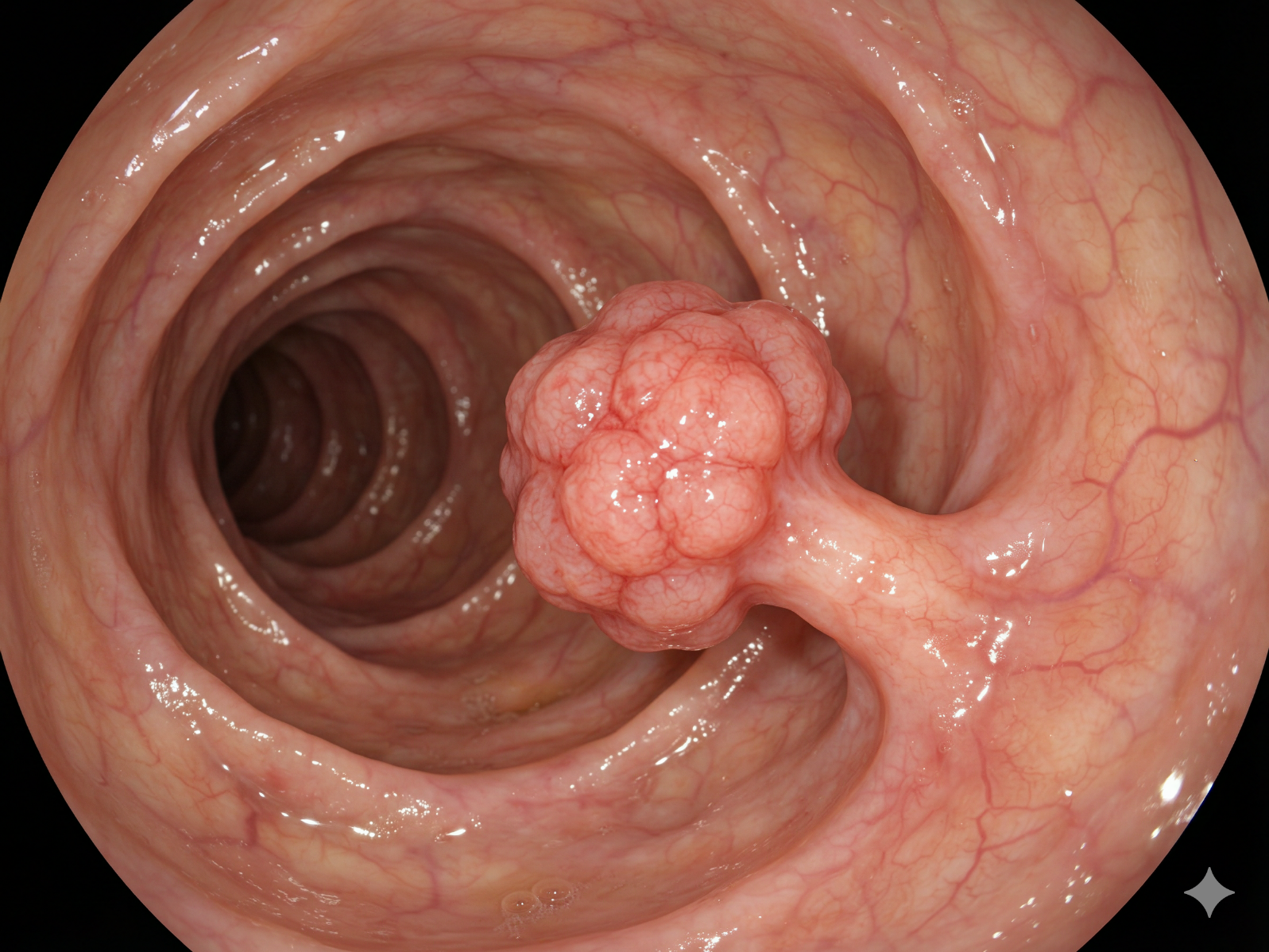
Colorectal cancer, which includes cancers of the colon and rectum, is the third most commonly diagnosed cancer and the second leading cause of cancer-related deaths worldwide. According to WHO and IARC estimates, approximately 1.93 million new cases and over 900,000 deaths occur every year. Although it is more common in people over 50, cases among younger adults are also increasing. Developed countries report higher incidence rates, but the disease is becoming increasingly common in developing nations because of changing lifestyles and diets.
Major risk factors include increasing age, family history, obesity, physical inactivity, excessive red and processed meat consumption, smoking and alcohol use. Early detection plays a crucial role in improving survival and outcomes, which are significantly better when cancer is diagnosed at an early stage.
Hereditary Colorectal Cancer and Polyposis Syndromes
Hereditary colorectal cancer accounts for approximately 5–10% of all colorectal cancer cases. It occurs due to inherited genetic changes that increase a person’s risk of developing colon or rectal cancer, often at a younger age. These conditions are mainly classified according to the type and number of polyps found in the intestine.
1) Adenomatous Polyposis Syndromes
These conditions cause multiple adenomatous (precancerous) polyps in the colon and rectum.
A) Familial Adenomatous Polyposis (FAP): It is caused by mutations in the APC gene. Hundreds to thousands of polyps may develop, with a very high risk of colorectal cancer if left untreated.
B) Attenuated FAP (AFAP): A milder form of FAP, usually associated with 10–99 polyps and a later onset of cancer.
C) MUTYH-Associated Polyposis (MAP): It is caused by inherited MUTYH gene mutations. Patients generally develop multiple adenomatous polyps during adulthood.
D) Polymerase Proofreading-Associated Polyposis (PPAP): It is associated with POLE or POLD1 gene mutations, increasing the risk of multiple polyps and early-onset colorectal cancer.
2) Hamartomatous Polyposis Syndromes
These syndromes cause abnormal but generally non-cancerous tissue growths called hamartomatous polyps. However, they can increase the risk of certain cancers.
A) Peutz-Jeghers Syndrome: It is associated with the STK11 gene. It causes intestinal polyps and characteristic dark spots around the lips and inside the mouth.
B) Juvenile Polyposis Syndrome: It is associated with SMAD4 or BMPR1A mutations. It causes multiple juvenile polyps and increases the risk of colorectal and stomach cancer.
C) Cowden Syndrome: It is caused by PTEN gene mutations. It is associated with multiple types of intestinal polyps and increased risks of breast, thyroid, endometrial and colorectal cancers.
3) Non-Polyposis and Serrated Syndromes
A) Lynch Syndrome (HNPCC): The most common hereditary colorectal cancer syndrome. It results from mutations in DNA repair genes such as MLH1, MSH2, MSH6 and PMS2. Patients may develop colorectal cancer at a younger age, often without having numerous polyps. The risk of endometrial and other cancers is also increased.
B) Serrated Polyposis Syndrome: It is characterised by multiple serrated polyps in the colon, which can increase the risk of colorectal cancer.
Molecular Progression of Colorectal Polyps to Cancer
1) Conventional Adenoma: Carcinoma Pathway: This is the most common pathway of colorectal cancer development. It usually begins with an APC gene mutation, leading to the formation of a small adenomatous polyp. Further mutations, particularly in KRAS, promote polyp growth and progression from tubular to tubulovillous and villous adenoma. Later, alterations in TP53 and SMAD2/SMAD4 contribute to high-grade dysplasia and eventual invasion, resulting in colorectal adenocarcinoma.
2) Serrated Neoplasia Pathway: This pathway usually begins with sessile serrated lesions and is commonly associated with BRAF mutations. Subsequent DNA methylation (CIMP) can silence important genes such as MLH1, leading to microsatellite instability (MSI-H) and accumulation of genetic mutations. These cancers frequently develop in the right-sided colon.
3) Factors Associated with Malignant Transformation: The risk of cancer increases with polyp size (particularly 10 mm or larger), villous architecture and high-grade dysplasia. Hereditary conditions such as Familial Adenomatous Polyposis (FAP) and Lynch syndrome further increase the risk of colorectal cancer.
Clinical significance: Colorectal cancer generally develops through a gradual accumulation of genetic changes. Early detection and removal of precancerous polyps through colonoscopy play an important role in preventing cancer.
Do Colon Polyps Always Turn into Cancer?
No, not all colon polyps develop into cancer. In fact, most polyps remain harmless. However, some types, particularly adenomatous and sessile serrated polyps, can gradually develop into colorectal cancer over several years. The chances of this happening depend on the polyp’s size, type and degree of abnormal cell growth.
Larger polyps, those with villous changes or high-grade dysplasia, have a greater risk of becoming cancerous. The good news is that regular colonoscopy can help detect these polyps early, and removing them at the right time can prevent the development of colorectal cancer.

About Dr. Ravi Gupta
Dr. Ravi Gupta, M.D. (Ayurveda), is an Ayurvedic physician specialising in Ayurvedic Oncology, Panchakarma and Integrative Cancer Care, with 12+ years of oncology experience. His approach combines traditional Ayurvedic therapies, herbal medicines, Rasayana, dietary guidance and lifestyle management to support cancer patients and improve their quality of life.
Contact Details
Phone / WhatsApp: +91 – 98192 74611
Email: cancerinayurveda@gmail.com
Website: www.cancerinayurveda.com
Consultation: Mumbai, Pune, Gujarat and online consultations across India and internationally.