
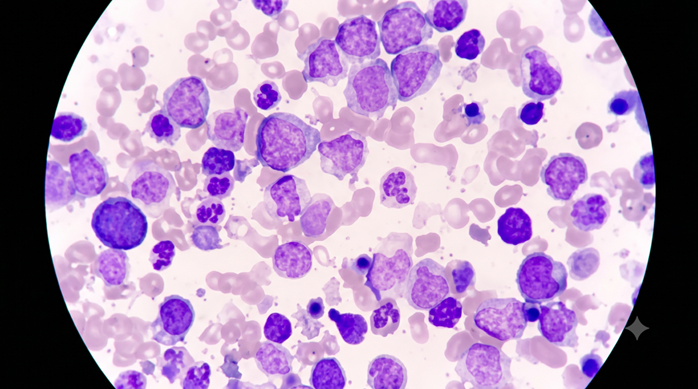
Acute Myeloid Leukemia is one of the fast-growing cancers of the blood and bone marrow and is characterized by the uncontrolled proliferation of abnormal myeloid cells. These immature cells accumulate in the bone marrow and further interfere with the production of normal blood cells. AML is considered one of the most aggressive forms of leukemia and requires prompt medical attention.
AML primarily affects older adults but can occur at any age. The median age at diagnosis is approximately 68 years. According to global cancer statistics, AML accounts for nearly 1% of all cancer-related deaths worldwide. The global incidence of AML is estimated at around 4–5 cases per 100,000 people annually, with increasing prevalence due to aging populations.
Dr. Ravi Gupta: Best Ayurvedic Doctor for the treatment Acute Myeloid Leukemia or Blood Cancer
Dr. Ravi Gupta, Ayurveda Cancer Consultant, is widely recognized for his holistic and patient-centered approach in the Ayurvedic treatment and management of Acute Myeloid Leukemia (AML) and other blood cancers. With extensive experience in Ayurvedic oncology, Dr. Ravi Gupta focuses on treating Acute Myeloid Leukemia (AML), improving quality of life, enhancing immunity, supporting recovery, and helping patients manage the side effects associated with chemotherapy.
Dr. Ravi Gupta’s Ayurvedic approach for leukemia and blood cancer management includes:
- Personalized Ayurvedic herbal formulations
- Rasayana (rejuvenation) therapy
- Panchakarma-based detoxification
- Dietary and lifestyle guidance
About Ashwagandha (Withania somnifera)
Ashwagandha (Withania somnifera), also known as “Indian Ginseng” or “Winter Cherry,” is one of the most revered and foundational herbs in traditional ayurvedic medicine. It is popularly classified as a Rasayana (rejuvenator) herb, and has been used for centuries to promote longevity, vitality, and physical and mental well-being.
Modern research suggests that Ashwagandha can help to reduce cortisol levels, improve sleep quality, support cognitive function, enhance stamina and muscle strength, and strengthen the immune system. It is also being studied for its potential antioxidant, anti-inflammatory, and neuroprotective effects. Ashwagandha is available in various forms, including powders, capsules, tablets, and extracts, and is commonly consumed with milk or warm water in Ayurvedic practice.
Add Your Heading Text Here
Ashwagandha (Withania somnifera), also known as “Indian Ginseng” or “Winter Cherry,” is one of the most revered and foundational herbs in traditional Ayurvedic medicine. It is popularly classified as a Rasayana (rejuvenator) herbs, and has been used for centuries to promote longevity, vitality, and physical and mental well-being.
Modern research suggests that Ashwagandha can help to reduce cortisol levels, improve sleep quality, support cognitive function, enhance stamina and muscle strength, and strengthen the immune system. It is also being studied for its potential antioxidant, anti-inflammatory, and neuroprotective effects. Ashwagandha is available in various forms, including powders, capsules, tablets, and extracts, and is commonly consumed with milk or warm water in Ayurvedic practice.
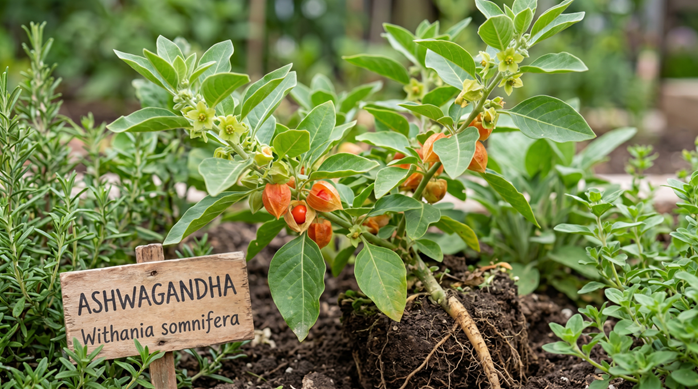
Mechanism of action of Ashwagandha in Acute Myeloid Leukemia
1) Stress and Anxiety Mitigation
The most recognized benefit of Ashwagandha is its ability to regulate the hypothalamic-pituitary-adrenal (HPA) axis. Clinically, it’s been proven to significantly reduce serum cortisol levels, helping to relieve chronic stress, systemic anxiety, and nervous exhaustion.
2) Immunomodulation & Inflammation
Ashwagandha acts as an immunomodulator, enhancing cell-mediated immunity by increasing macrophage and natural killer (NK) cell activity. It helps downregulate pro-inflammatory cytokines, making it beneficial in managing chronic inflammatory conditions.
3) Neuroprotection and Cognitive Support
It is a potent substance to boost cognitive and neurological health as studies have shown that withanolides promote neuroplasticity and dendritic branching. This biochemical action leads to better memory, increased concentration and improved cognitive executive function. The herb has also specific acetylcholinesterase inhibiting properties that prevent the breakdown of important neurotransmitters and thus makes it an important area of research in degenerative neurological diseases.
4) Dosha Impact
It is highly grounding and primarily pacifies Vata and Kapha doshas. Because of its heating nature, it should be used mindfully or balanced with cooling herbs in individuals with a severe Pitta imbalance.
Ashwagandha Ghanavati in the management of Acute Myeloid Leukemia
Ashwagandha Ghanavati is a classical Ayurvedic herbal preparation prepared mainly from the concentrated extract (Ghana) of Ashwagandha, also known as Withania somnifera or Indian Ginseng. In Ayurveda, Ashwagandha is known to be a potent Rasayana (rejuvenative) herb, which helps in increasing the physical strength, mental stability, immunity, vitality and general well-being.
Ashwagandha Ghanavati is used as a nervous system tonic, stress and anxiety reducer, stamina builder, sleep quality enhancer, and recovery from weakness and fatigue. It is also popular for improving musculoskeletal health, increasing energy levels and maintaining cognitive function.
Dr. Ravi Gupta, Ayurveda Cancer Consultant, emphasizes that Ayurvedic medicines such as Ashwagandha Ghanavati should be used under the guidance of a qualified Ayurvedic physician to ensure proper selection, dosage, and compatibility with ongoing treatments or medical conditions.
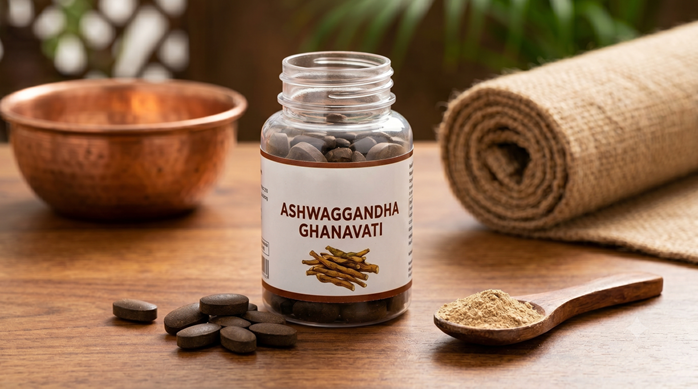
Mechanism of Ashwagandha Ghanavati in the management of Acute Myeloid Leukemia
Ashwagandha Ghanavati (Withania somnifera aqueous extract) in Acute Myeloid Leukemia (AML) spans a continuum from direct antileukemic molecular signaling to systemic supportive oncology. As a concentrated aqueous extract, a Ghanavati provides a dense, full-spectrum profile of bioactive steroidal lactones (including Withaferin A, Withanolide D and Withanone) and alkaloids that selectively disrupt leukemogenesis.
1) Direct Antileukemic & Molecular Mechanisms
Ashwagandha Ghanavati showed its anticancer activity in Acute Myeloid Leukemia through multiple apoptotic signaling pathways. Among the important mechanisms described has been the activation of p38 Mitogen-Activated Protein Kinase (p38MAPK) signaling cascade by Withaferin A (the major active constituent of Ashwagandha). This activation further activates downstream proapoptotic signaling molecules such as ATF-2 and HSP27 to promote leukemic cell death.
2) Pro-Oxidative Selective Cytotoxicity
Ashwagandha is known for its antioxidant effects in healthy tissues but exhibits a unique context-dependent pro-oxidant activity in malignant cells. In Acute Myeloid Leukemia, Ashwagandha selectively induces generation of Reactive Oxygen Species (ROS) and induces thiol oxidation in leukemic cells especially myeloid leukemia cell lines like HL-60.
3) Myeloprotection & Mitigation of Pancytopenia
The standard chemotherapy for Acute Myeloid Leukemia typically causes severe bone marrow suppression leading to profound neutropenia, anemia and thrombocytopenia. Here Ashwagandha Ghanavati may have supportive benefits due to its hematopoietic and immunomodulatory properties. Research indicates that Ashwagandha can promote c-Kit expression and modulate early cytokine microenvironments to foster healthy hematopoiesis and recovery of the bone marrow.
4) Immunomodulation and Bone Marrow Microenvironment Restructuring
Acute myeloid leukemia actively remodels the bone marrow microenvironment to suppress host immune responses and promote leukemic survival. Ashwagandha Ghanavati contains water soluble bioactive compounds like polysaccharides & specific glycowithanolides which may have potent immunomodulatory actions to help restore immune balance.
Dr. Ravi Gupta, Ayurveda Cancer Consultant
📞 Call / WhatsApp: +91 98192 74611 / +91 99672 39823
🌐 www.cancerinayurveda.com
📧 cancerinayurveda@gmail.com