
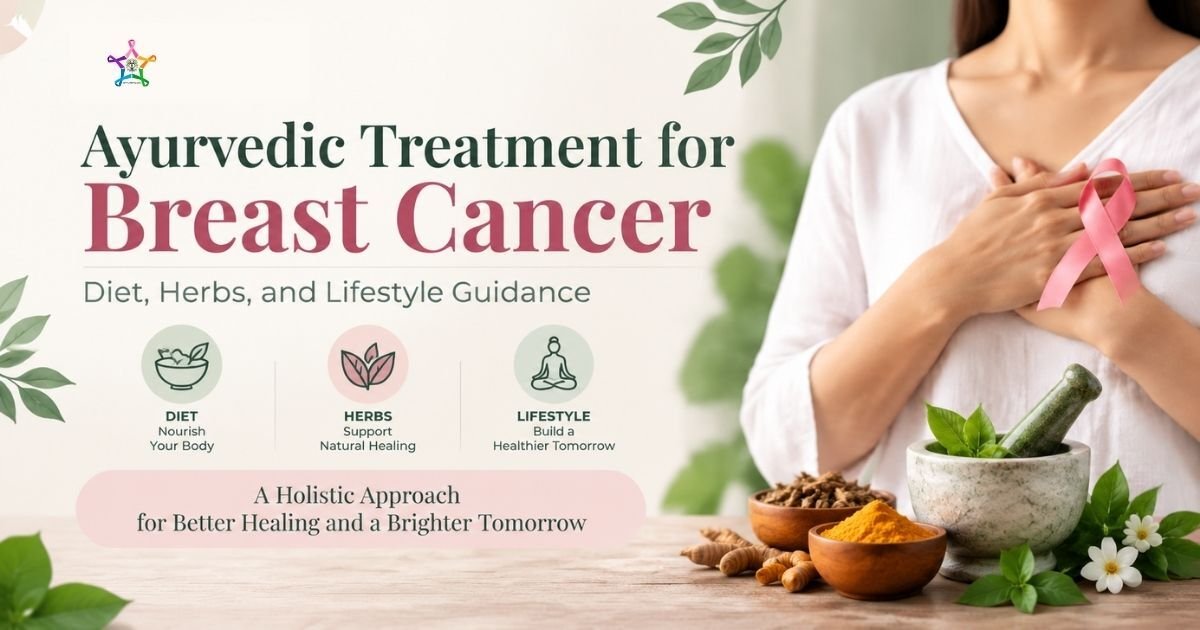
Many breast cancer patients in the Gulf countries are now looking for complementary options that support them during their treatment journey, rather than alternatives to it. This is where Ayurvedic treatment for breast cancer emerges as a supportive approach based on nutrition, natural herbs, and lifestyle modifications, alongside conventional medical care and not as a replacement for it. Thane, located close to Mumbai, has become a destination visited by an increasing number of patients from the UAE, Saudi Arabia, and other Gulf countries seeking this type of integrated care under the supervision of doctors specializing in Ayurveda and cancer care.
This article explores what Ayurvedic treatment for breast cancer actually offers at clinics in Thane, the key dietary and herbal recommendations, and what patients and their companions should know before traveling to receive this care.
Why Are Gulf Patients Turning to Ayurveda as Supportive Care for Breast Cancer?
Short answer: Some breast cancer patients in the Gulf turn to Ayurvedic treatment for breast cancer as complementary care managed alongside chemotherapy, radiation therapy, or surgery, with the aim of supporting the body, improving quality of life, and addressing nutritional needs during treatment, rather than replacing the medical protocol prescribed by their oncologist.
This integrative approach aligns with a growing global focus on combining conventional medicine with supportive care, and is offered by specialized clinics in India that receive international patients as part of medical tourism.
What Does a Specialized Center in Thane Offer a Patient Coming from the Gulf?
When a patient arrives in Thane, the journey usually begins with a detailed consultation with a doctor holding a Doctor of Medicine in Ayurveda (M.D. Ayurveda) and specializing in cancer care. During the consultation, the doctor reviews medical reports, test results, and the type of conventional treatment the patient is currently receiving or planning to begin.
Based on this assessment, an individualized program is usually developed that may include:
- Comprehensive assessment considering the stage of the disease and the conventional treatment being followed
- Therapeutic dietary plan designed to support the body during treatment sessions
- Ayurvedic herbal preparations prescribed in specific doses under direct medical supervision
- Lifestyle guidance covering daily routines, rest, and gentle movement
- Regular follow-up, either in person in Thane or remotely through video consultations for patients who return to their home countries
Diet in Ayurvedic Treatment for Breast Cancer
Nutrition plays a central role in Ayurvedic breast cancer treatment, as Ayurveda views food as part of the treatment rather than simply a means of nourishment. The dietary plan is generally based on the “Sattvic” principle, meaning light, pure, and easily digestible foods, and is designed for each patient according to their physical constitution (dosha) and stage of treatment.
Common recommendations may include:
- Preferring freshly prepared, well-cooked foods over raw or very cold foods
- Reducing refined sugars and processed foods as much as possible
- Including whole grains, seasonal vegetables, and easily digestible legumes
- Drinking adequate amounts of warm water throughout the day
- Eating small, frequent meals instead of large, heavy meals, especially on treatment days
It is important to emphasize that any dietary changes, particularly during chemotherapy, should be made in coordination with the treating oncology team to avoid any conflict with the treatment plan.
Ayurvedic Herbs Used as Support in Breast Cancer Cases
Ayurvedic medicine uses a number of herbs traditionally known for their supportive properties related to immunity and overall vitality, including herbs such as ashwagandha, turmeric, guggul, and other compound herbal preparations. These herbs should be prescribed exclusively by the treating doctor, with specific doses and timing, while considering any potential interactions with chemotherapy or hormonal medications being taken by the patient.
Important note: Ayurvedic herbs and preparations are not used as a curative treatment for breast cancer or as a substitute for chemotherapy, radiation therapy, or surgery. They are intended as complementary support managed under strict medical supervision. No patient should begin taking any herb or herbal preparation without first consulting their oncologist.
Ayurvedic Lifestyle Guidance During the Treatment Journey
In addition to diet and herbs, Ayurvedic programs in Thane focus on various aspects of daily lifestyle, including:
- Regular sleep routine to help the body recover and restore energy
- Breathing exercises and gentle movement, such as certain gentle yoga practices, after approval from the treating doctor
- Relaxation and meditation techniques to help manage the psychological stress associated with the treatment journey
- Regular meal timings aligned with treatment session schedules
These recommendations are not intended to treat the disease itself, but rather to support the body’s ability to cope with conventional treatment and help manage some of its side effects, such as fatigue and changes in appetite.
What Should a Patient Coming from the UAE or Saudi Arabia Know Before Traveling to Thane?
For Gulf patients interested in pursuing Ayurvedic treatment for breast cancer in India, there are several practical points worth planning in advance:
- Make sure to obtain an Indian Medical Visa if the visit is officially for treatment purposes
- Send medical reports and test results in advance by email or WhatsApp to help prepare an initial plan before arrival
- Ask about remote follow-up options for those who wish to begin the program without immediate travel
- Ensure continued coordination with the oncologist in the patient’s country of residence throughout the Ayurvedic care period
Conclusion and Call to Action
Ayurvedic treatment for breast cancer remains a supportive option rather than a replacement for conventional treatment. It aims to accompany patients throughout their treatment journey through appropriate nutrition, medically prescribed herbs, and lifestyle modifications. If you are considering this type of integrated care in Thane alongside your current medical treatment, contact our specialized team to schedule an initial consultation and review your medical reports before determining any treatment plan, with the aim of maintaining your safety and ensuring continuity of your primary treatment without interruption.
Frequently Asked Questions About Ayurvedic Treatment for Breast Cancer
1. Can Ayurveda completely cure breast cancer?
No. Ayurvedic treatment for breast cancer is used as complementary supportive care alongside conventional medical treatment, not as a replacement for it. The primary treatment decisions should always remain with the treating oncologist.
2. Can Ayurvedic herbs interact with chemotherapy?
Interactions may occur in some cases. Therefore, no herb should be taken without consulting both the Ayurvedic doctor and the oncologist to ensure that it does not affect the effectiveness of chemotherapy or increase its side effects.
3. How long does supportive Ayurvedic treatment in Thane take?
The duration varies depending on each patient’s condition. However, the initial consultation often begins with a short visit lasting several days, followed by regular remote or in-person follow-up according to the treatment plan developed with the doctor.
4. Can the program be followed remotely without traveling to India?
Yes, some specialized clinics offer regular video consultations to monitor the patient’s condition and adjust the dietary and herbal plan, although an initial or periodic in-person visit may be required depending on the doctor’s assessment.
5. Is an Ayurvedic diet suitable for all breast cancer patients?
There is no single dietary plan suitable for everyone. Each program is designed after an individual assessment of the patient’s condition, stage of treatment, and physical constitution, under the supervision of a specialist and in coordination with the treating oncology team.