
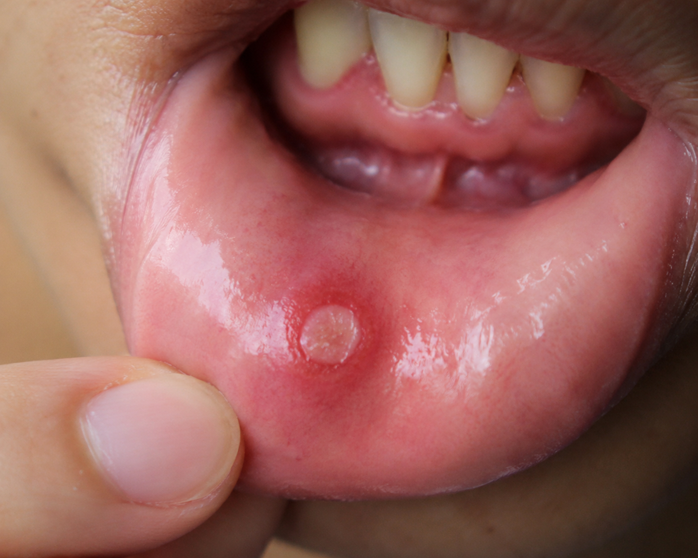
A mouth ulcer is a common condition that usually heals within 1–2 weeks. However, a persistent mouth ulcer that does not heal within three weeks should not be ignored. Most mouth ulcers are harmless (often called canker sores or aphthous ulcers) and usually heal on their own within 7–14 days, but a sore that doesn’t heal could be a sign of an underlying condition that needs medical attention.
Common Causes of Persistent Mouth Ulcers
1) Repeated trauma from sharp teeth, dentures, or braces
2) Nutritional deficiencies (Vitamin B12, Iron, Folate).
3) Stress and weakened immunity.
4) Tobacco chewing, smoking, or alcohol consumption.
5) Autoimmune disorders.
6) Oral cancer or precancerous lesions.
Persistent Mouth Ulcer: When to Suspect Oral Cancer or Precancerous Lesions
Most mouth ulcers heal within one to two weeks without any treatment. However, a mouth ulcer that persists for more than two weeks should never be ignored and it can be an early sign of an oral precancerous lesion or oral cancer.
Warning signs that may suggest a precancerous or cancerous lesion include:
1) A non-healing ulcer lasting more than two weeks
2) Persistent pain or bleeding
3) Red (erythroplakia) or white (leukoplakia) patches in the mouth
4) Induration (hardening) around the ulcer
5) Difficulty chewing, swallowing, or speaking
6) A lump in the mouth or neck
7) Unexplained weight loss
Investigations for Suspected Oral Cancer or Precancerous Lesions
When a mouth ulcer, red patch, white patch, or oral lesion persists for more than two weeks, a thorough evaluation is necessary to rule out oral cancer or precancerous conditions. The following investigations may be recommended:
A) Biopsy (Gold Standard)
A biopsy is the most important investigation for confirming or excluding oral cancer.
a) Incisional biopsy: A small tissue sample is taken from the lesion.
b) Excisional biopsy: The entire lesion is removed when it is small.
The tissue is examined microscopically to determine whether the lesion is benign, precancerous (dysplasia), or malignant.
B) Histopathological Examination
The biopsy specimen is analysed by a pathologist to assess:
a) Degree of epithelial dysplasia
b) Presence of carcinoma in situ
c) Invasive squamous cell carcinoma
d) Tumor grade and characteristics
C) Imaging Studies
If cancer is confirmed or strongly suspected, imaging helps determine the extent of disease.
a) Computed Tomography (CT scan)
It helps to evaluates bone involvement and assesses tumor size and spread.
b) Magnetic Resonance Imaging (MRI)
It provides detailed soft tissue assessment and is useful for tongue, floor of mouth, and deep tissue involvement.
c) Ultrasonography (USG)
It helps to evaluates cervical lymph nodes and may guide fine-needle aspiration.
d) PET-CT Scan
It detects regional and distant metastasis and is useful in staging advanced disease.
D) Fine Needle Aspiration Cytology (FNAC)
If enlarged neck lymph nodes are present, FNAC may be performed to determine whether cancer has spread to the lymph nodes.
Modern Treatment Options for a Cancerous Oral Ulcer (Oral Cancer)
Treatment depends on the stage, size, location of the ulcer, and whether the cancer has spread.
a) Surgery: It involves removal of the cancerous ulcer along with a margin of healthy tissue and may include removal of nearby lymph nodes if involved.
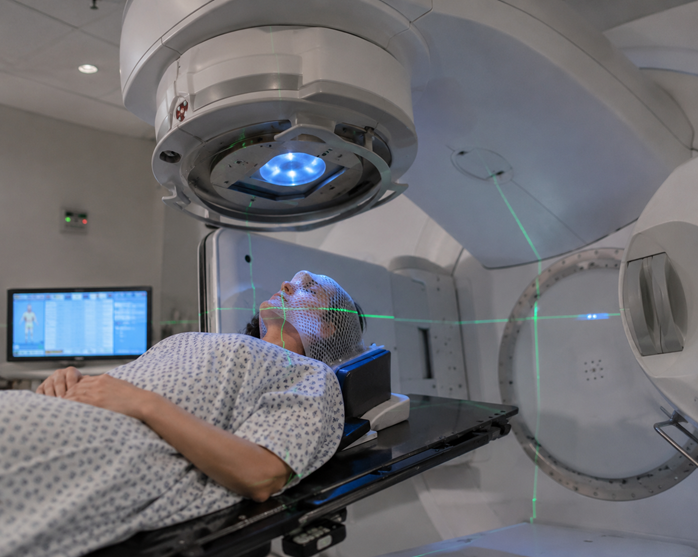
b) Radiotherapy (Radiation Therapy): It consist of high-energy radiation is used to destroy cancer cells. It can be used alone in early-stage disease or after surgery.
c) Chemotherapy: It consist of anti-cancer drugs are used to kill cancer cells and is often combined with radiotherapy for advanced cases.
d) Targeted Therapy: Targeted Drugs specifically target cancer cell growth pathways. It is used in selected patients.
e) Immunotherapy: Immunotherapy Drugs help the immune system recognize and attack cancer cells. It is mainly used for recurrent, metastatic, or advanced oral cancers.
Ayurvedic Treatment Options for a Cancerous Oral Ulcer (Oral Cancer)
Ayurveda can be used as a supportive and integrative approach alongside modern cancer treatment to improve quality of life, reduce treatment-related side effects, and support overall health.
a) Ayurvedic Herbal Medicines: Herbs such as Turmeric (Haridra), Guduchi, Yashtimadhu, and Ashwagandha may support immunity and tissue healing.
b) Rasayana Therapy: Rejuvenative therapies aimed at improving strength, immunity, recovery, and overall well-being.
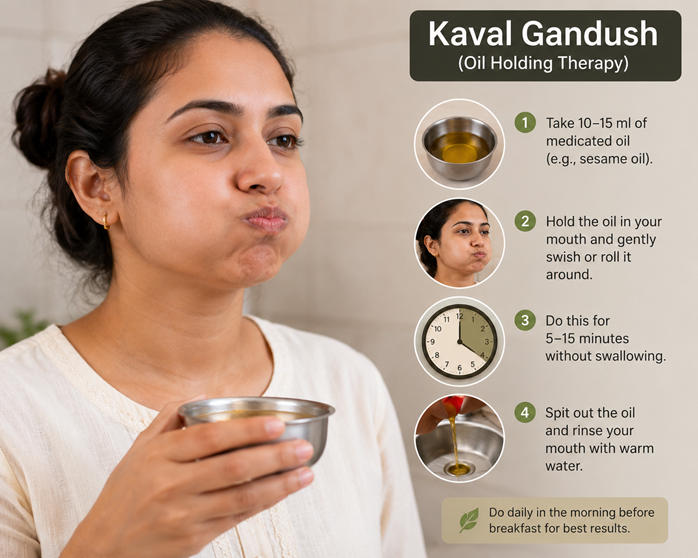
c) Local Oral Care: Ayurvedic gargles (Kavala/Gandusha) and herbal mouth rinses can help to maintain oral hygiene and reduce discomfort.
d) Diet and Lifestyle Modification: Soft, nutritious, protein-rich foods and avoidance of tobacco, alcohol, spicy foods, and irritants.
Consult Dr. Ravi Gupta for Expert Ayurvedic Cancer Care
If you are experiencing a persistent mouth ulcer, oral precancerous lesion, or have been diagnosed with oral cancer, consult Dr. Ravi Gupta (M.D. Ayurveda), Ayurveda Cancer Consultant, for personalized integrative cancer care. Dr. Gupta combines Ayurvedic principles with supportive cancer care to help improve quality of life and overall well-being.
📞 Call: +91-9819274611 / 9967239823
🌐 Website: www.cancerinayurveda.com📧 Email: cancerinayurveda@gmail.com