Lymphoma is a type of cancer that originates in the lymphatic system. Lymphatic system is part of the immune system and plays a crucial role in body’s defense mechanism. Lymphoma affects the lymphocytes, a type of white blood cell that helps to fight against infections. In lymphoma, lymphocytes accumulate certain genetic mutations and starts growing abnormally resultant forming a tumor in the lymph nodes, spleen, bone marrow, or other organs.

There are two main types:

1) Hodgkin Lymphoma (HL): It is characterized by the presence of Reed-Sternberg cells. It is specific type of abnormal cell and is less common. Statistically, Hodgkin Lymphoma have a high cure rate and good prognosis.

2) Non-Hodgkin Lymphoma (NHL): It is more common with many subtypes and affects different types of lymphocytes (B-cells or T-cells). It varies widely in behaviour and can be slow growing (indolent) to aggressive in nature

Role of Radiotherapy and Chemotherapy in Lymphoma

1) Chemotherapy in Lymphoma

It is the primary treatment for most lymphomas, especially Hodgkin lymphoma and aggressive non-Hodgkin lymphoma.

Common regimens:

Hodgkin lymphoma: ABVD (Adriamycin, Bleomycin, Vinblastine, Dacarbazine)

Non-Hodgkin lymphoma: CHOP (Cyclophosphamide, Doxorubicin, Vincristine, Prednisone) ± Rituximab

Purpose: It’s aim is to destroy rapidly dividing lymphoma cells, achieve remission, and prevent relapse.

Duration:Multiple cycles over several months.

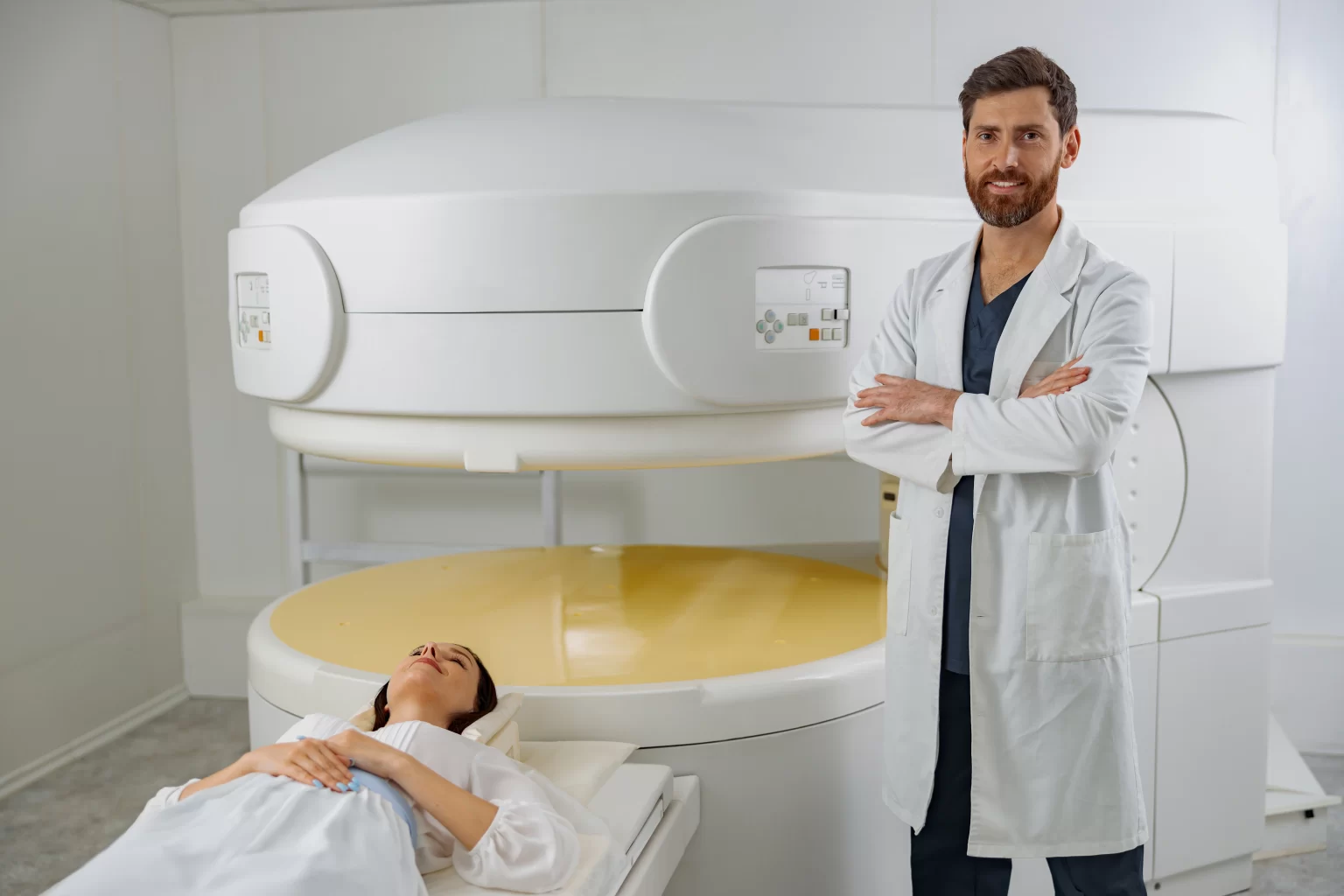
2) Radiotherapy in Lymphoma

Radiotherapy is often used to treat localized disease (Stage I/II) or residual masses after chemotherapy.

Types of Radiotherapy:

A) Involved Site Radiotherapy (ISRT) targets only affected lymph node regions.

B) Beneficial in bulky disease to shrink tumor size and reduce risk of recurrence.

Concept of Dushivisha in Ayurveda and its relationship with Chemotherapeutic Drugs

Dushivisha is described as a toxin that even in low concentrations can remain in the body for extended period of time without causing immediate severe symptoms and over time can accumulate in the body. Further it can disrupt body’s natural balance between the doshas and create impurities in the dhatus (tissues).

Chemotherapy generally involves cytotoxic drugs and it can lead to the accumulation of these cytotoxic drugs or its metabolites in the body. If it is accumulated in certain amount, it can cause damage to healthy cells and tissues similar to the as effects described in Dushivisha. Ayurveda views these side effects as manifestations of aggravated pitta dosha, particularly related to Raktapitta and Raktadushti.

Side Effects of Chemotherapy in Lymphoma Patients:

1) Nausea.

2) Vomiting.

3) Diarrhoea.

4) Mucositis.

5) Alopecia.

6) Constipation.

Side Effects of Radiotherapy in Lymphoma Patients:

1) Fatigue.

2) Anorexia.

3) Nausea.

4) Vomiting.

5) Altered taste.

6) Sleep disturbances.

7) Headaches.

8) Anaemia.

9) Dry skin.

10) Constipation.

A) Management of Anorexia or Loss of Appetite due to Chemotherapy and Radiotherapy by Ayurveda

It is well-known fact that approximately 80% of cancer patients in advanced stages suffer from anorexia-cachexia syndrome. This is further aggravated by chemotherapy and radiotherapy which is the primary line of treatment for lymphoma patients as per modern science and it can lead to loss of weight, fatigue, and reduced appetite. Ayurveda designate this condition as Arochak and it is characterized by lack of appetite and loss of taste in the mouth. As per Ayurveda, it is managed accordingly:

1) Charak Samhita, a prominent treatise in Ayurveda recommends herbal mouth gargles or gandhush karmafor treatment of anorexia. This herbal gargle or gandhush ingredients are:

a) Sunthi (Zingiber officinale).

b) Maricha (Piper nigrum).

c) Pippali (Piper longum).

d) Lodra (Symplocos racemosa).

e) Yavakshara (Hordeum vulgare).

2) Khadiradi Vati in the management of Anorexia

Khadiradi Vati is a classical and traditional Ayurvedic formulation that is mainly prescribed in the management of disease related to oral cavity and throat. But it also proves beneficial in enhancing appetite and boosting agni. It helps to improve salivation and stimulate taste perception in lymphoma patients.

B) Management of Mucositis due to Chemotherapy and Radiotherapy by Ayurveda

Ayurveda can play a significant role in the management of mucositis through multiple modalities. Different treatment aspect is mentioned below:

1) Yasthimadhu (Glycyrrhiza glabra): Yasthimadhu act as a shaman dravya and is excellent anti-ulcer, anti-oxidant, and further promote mucosal healing.

2) Honey: Honey has an excellent natural anti-bacterial and anti-inflammatory property. Its further aid in tissue granulation and ulcer healing.

3) Triphala (Amla – Emblica officinalis, Haritaki – Terminalia chebula, and Bibhitaki – Terminalia bellirica): It is rich in tannins and Vitamin C. It further helps to prevent oxidative stress and protect the mucosal lining.

4) Irimedadi Oil: Irimedadi Oil help to soothe the oral lining and promote mucosal healing.

C) Management of Nausea and Vomiting due to Chemotherapy and Radiotherapy by Ayurveda

Nausea and Vomiting are among the most common and distressing symptom experienced by lymphoma patients undergoing chemotherapy and radiotherapy. Despite the regular use of modern anti-emetic drugs, nearly 70% of patients continue to experience persistent nausea and vomiting during cancer treatment.

Nausea and Vomiting severely impacts the standard of living of cancer patients and further reduces the nutritional status in them. This leads to loss of weight and affects mobility with muscle strength in them. In Ayurveda, nausea and vomiting can be designated as ‘Pittaja Chardi’. Different herbs and treatment modalities that prove beneficial in this condition are:

1) Ginger (Zingiber officinalis): It helps to reduce the severity of acute-chemotherapy induced nausea in lymphoma patients. It further helps to balance aggravated pitta dosha and regulate gastric mobility.

2) Haritaki (Terminalia chebula): Haritaki is one of the best herb that is mentioned in Ayurveda and proves extremely beneficial in nausea and vomiting when consumed with honey. It helps to support digestion and detoxification of dustha doshas.

3) Mango and Jamun Leaves: Decoction prepared from Mango and Jamun leaves are kashaya in nature so it proves beneficial in nausea and vomiting due to chemotherapy and radiotherapy.

4) Eladi Choorna: It is a traditional Ayurvedic formulation and proves beneficial in vomiting, nausea, and indigestion due to chemotherapy and radiotherapy.

D) Management of Fatigueness due to Chemotherapy and Radiotherapy by Ayurveda

Fatigueness is one of the most common and debilitating side effects of chemotherapy and radiotherapy in lymphoma patients. It is manifested by detoriation of physical health, loss of muscle strength, and extreme tiredness. This fatigueness is not relieved by rest and affects daily function of lymphoma patients with overall decreased quality of life in them.

In Ayurveda, fatigueness is generally referred as Daurbalya (weakness) or Klama (tiredness). It arises due to Dhatu and Oja Kshaya, and further affects Agni or digestive power leading to weakness. Key treatment modalities for treatment of fatigueness due to chemotherapy and radiotherapy in lymphoma patient are:

A) Ashwagandha (Withania somnifera): Ashwagandha is well known for its Rasayana and balya properties. It proves extremely beneficial in fatigue, weakness, and stress in lymphoma patients. It also helps to increase physical endurance in the patients.

B) Shatavari (Asparagus racemosus): Shatavari acts as a balya and Rasayana in lymphoma patients. It helps to boost immunity and stamina in lymphoma patients.

C) Chyawanprash Avaleha: Chyawanprash Avaleha is rich in Vitamin C and enhances strength in lymphoma patients.

D) Yoga: Regular practice of yoga postures like Vajrasana, Tadasana, and Shavasana helps to restore energy.

Contact Dr. Ravi Gupta, Ayurveda Cancer Consultant for Lymphoma Treatment

If you or your loved one is looking for holistic and supportive care in Lymphoma, you can reach out to Dr. Ravi Gupta, Ayurveda Cancer Consultant. With years of experience in Ayurvedic oncology, Dr. Gupta provides personalized treatment plans focusing on strengthening immunity, improving quality of life, and supporting natural healing.

📞 Contact Details:

Phone/WhatsApp: +91-9819274611

Feel free to connect with Dr. Ravi Gupta to discuss your case and explore how Ayurveda can support your healing journey.

Hi, How Can We Help You?