
Palliative Treatment
Palliative care is essential for the physical, mental, and psychosocial health of patients with advanced cancer. Its synergistic effect on overall survival, while improving outcomes in patient satisfaction and quality of life. Ayurveda science has proven to provide most promising Palliative Treatment inpatient who have been diagnosed at later stages and are not eligible for curative management. Different types of Panchakarma and oral treatments mentioned in Ayurveda Text can ameliorate sufferings of later stage cancer disease and improve quality of life of cancer patient.
Palliative Care Treatment in Ayurveda for Comfort, Dignity and Quality of Life
Living with a serious or life-limiting illness can be physically exhausting and emotionally overwhelming. Palliative care focuses on improving quality of life by relieving pain, discomfort, emotional stress, and other distressing symptoms – regardless of the stage of illness. At CancerInAyurveda, palliative care is approached holistically, addressing the body, mind, and spirit through time-tested Ayurvedic principles.
Unlike curative treatments, palliative care emphasizes comfort, dignity, and emotional well-being. It supports patients and families during challenging times, ensuring compassionate care that respects individual needs, beliefs, and values.
Understanding Palliative Treatment in Ayurveda
Palliative Treatment in Ayurveda is centered on balancing the body’s doshas, strengthening immunity, and reducing disease-related distress. It focuses on symptom management rather than disease eradication, making it suitable for advanced or chronic conditions, including cancer, neurological disorders, and degenerative illnesses.
Ayurvedic palliative treatment integrates herbal formulations, dietary guidance, gentle detoxification, external therapies, and mind-body practices. This holistic approach helps reduce pain, fatigue, digestive issues, anxiety, and emotional imbalance, promoting comfort and stability throughout the care journey.

Comprehensive Palliative Care Treatment Approach
Palliative care treatment involves a multidisciplinary approach tailored to each patient’s condition and tolerance level. At CancerInAyurveda, personalized care plans are developed after understanding the patient’s medical history, symptoms, emotional state, and lifestyle.
Key elements of Ayurvedic palliative care treatment include pain management using natural herbs, therapies to improve digestion and sleep, stress-reduction techniques, and nutritional support to maintain strength. The goal is to enhance daily functioning, reduce dependency, and offer emotional reassurance to both patients and caregivers.

Palliative Care for Cancer Patients
Palliative care for cancer plays a crucial role in managing symptoms caused by cancer itself or its conventional treatments such as chemotherapy and radiation. Ayurvedic palliative care supports patients by minimizing side effects like nausea, weakness, loss of appetite, neuropathy, and emotional distress.
Through gentle therapies and supportive herbal formulations, palliative care for cancer aims to improve comfort, boost immunity, and support mental clarity. Emotional counseling and stress management are integral, helping patients cope with fear, uncertainty, and treatment-related fatigue while maintaining dignity and peace.

Role of a Dedicated Palliative Care Center
A trusted palliative care center provides structured, continuous, and compassionate support for patients and families. At CancerInAyurveda, the focus is on creating a nurturing environment where patients feel heard, respected, and cared for without judgment.
Such centers offer coordinated care involving Ayurvedic physicians, therapists, nutrition experts, and counselors. This ensures seamless symptom management, emotional support, and guidance for caregivers, enabling families to make informed decisions while prioritizing comfort and quality of life.

Benefits of Ayurvedic Palliative Care
Ayurvedic palliative care offers several advantages, including reduced dependence on strong painkillers, improved digestion and sleep, emotional balance, and better tolerance to conventional treatments. The natural approach minimizes side effects and focuses on long-term comfort rather than aggressive interventions.
Patients often experience improved energy levels, reduced anxiety, and a greater sense of control over their condition. Family members also benefit from counseling and guidance, making the caregiving journey more manageable and emotionally supported.
Who Can Benefit from Palliative Care?
Palliative care is suitable for individuals with cancer, chronic illnesses, neurological disorders, advanced organ failure, or age-related degenerative conditions. It can be started at any stage of illness and can be combined with ongoing medical treatments.
Early integration of palliative care helps manage symptoms proactively, reduces hospital visits, and improves overall quality of life. At CancerInAyurveda, care is personalized to ensure physical comfort, emotional strength, and holistic well-being.
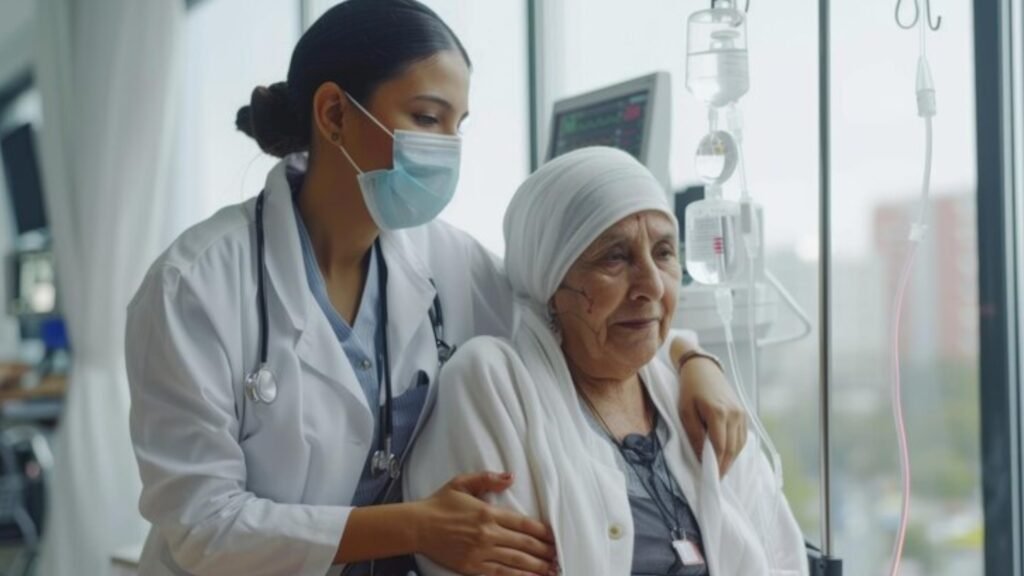
Compassionate Care Rooted in Ayurveda
Ayurvedic palliative care honors the individuality of each patient. Treatments are gentle, adaptable, and aligned with the patient’s comfort level. Emphasis is placed on emotional reassurance, spiritual peace, and maintaining dignity throughout the care process.
By focusing on holistic healing, CancerInAyurveda provides supportive care that extends beyond physical symptoms, nurturing mental clarity, emotional resilience, and inner calm.
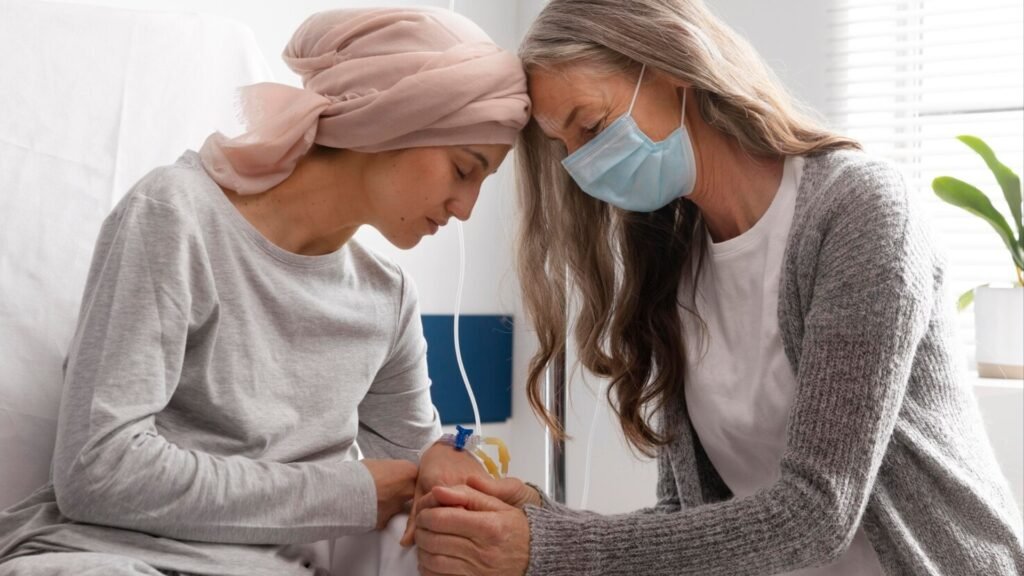
Take the First Step Toward Comfort and Care
Our personalized Ayurvedic palliative care solutions are thoughtfully designed to reduce discomfort, manage symptoms, and enhance emotional well-being, helping patients experience greater comfort, dignity, and an improved quality of life.
If you or a loved one is seeking compassionate and holistic palliative support, connect with CancerInAyurveda today.
FAQ
1. What is palliative care and when should it be started?
Palliative care focuses on improving quality of life by managing pain, symptoms, and emotional distress caused by serious illnesses. It can be started at any stage of disease – not only at the end of life. Early palliative care helps reduce discomfort, supports emotional well-being, and complements ongoing medical treatments, offering comprehensive support to patients and families.
2. How does palliative treatment differ from curative treatment?
Palliative Treatment prioritizes comfort and symptom relief rather than curing the disease. While curative treatment aims to eliminate illness, palliative treatment focuses on reducing pain, fatigue, anxiety, and other distressing symptoms. It helps patients live more comfortably, supports emotional health, and improves daily functioning regardless of disease progression.
3. What does palliative care treatment include in Ayurveda?
Palliative care treatment in Ayurveda includes herbal medicines, dietary recommendations, gentle therapies, stress management, and emotional counseling. These elements work together to reduce pain, improve digestion, enhance sleep, and restore emotional balance. The treatment is personalized to ensure comfort, safety, and holistic well-being throughout the care journey.
4. Is palliative care for cancer only for advanced stages?
No, palliative care for cancer is not limited to advanced stages. It can be introduced early alongside conventional cancer treatments to manage side effects, reduce stress, and improve overall quality of life. Early palliative care helps patients cope better physically and emotionally, enhancing treatment tolerance and daily comfort.
5. How do I choose the right palliative care center?
Choosing a palliative care center involves evaluating the expertise of caregivers, availability of multidisciplinary support, and the center’s approach to compassionate care. A good center prioritizes comfort, dignity, emotional support, and personalized treatment plans, ensuring both patients and families receive continuous guidance and reassurance.