
Ayurvedic Treatment for Cervical Cancer: Holistic Healing and Natural Care Approach
About Ayurveda
Ayurveda is one of the oldest healing systems in the world, originating in India over 5000 years ago. The term is derived from Sanskrit, where “Ayur” means life and “Veda” means knowledge – together meaning the “science of life.” The foundation of ayurveda for cervical cancer treatment lies in maintaining harmony between the body, mind, and spirit.
According to Ayurveda, every individual is governed by three doshas – Vata, Pitta, and Kapha. When these doshas are balanced, the body remains healthy. However, imbalance due to poor lifestyle, diet, or environmental factors can lead to disease. Ayurveda focuses on restoring this balance through natural therapies, diet, and lifestyle changes.
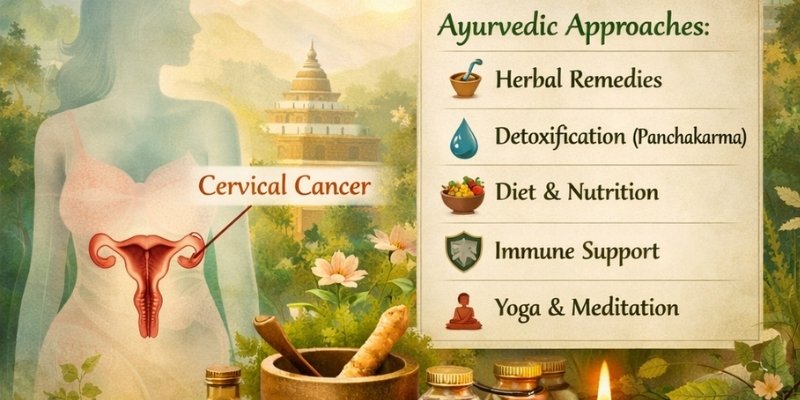
What is Cervix?
The cervix is a cylindrical structure forming the lower part of the uterus, connecting it to the vagina. It plays a vital role in reproductive health by regulating menstrual flow and aiding childbirth. The cervix produces mucus that protects against infections and assists in fertilization.
Regular screening, such as Pap smear tests, is essential for detecting abnormal or pre-cancerous changes early, allowing timely treatment.

What is Cervical Cancer?
Early detection significantly improves treatment outcomes. Tests like Pap smear, colposcopy, and biopsy help diagnose the condition accurately.
Cervical cancer develops in the cells of the cervix and is one of the most common cancers affecting women. A primary cause is persistent infection with Human Papillomavirus (HPV), a sexually transmitted virus. Other risk factors include smoking, weakened immunity, multiple partners, prolonged contraceptive use, and lack of screening.
Cervical Cancer Statistics
Higher incidence rates are seen in regions with limited access to screening. HPV vaccination and regular screening programs play a key role in prevention and early detection.
Cervical cancer is the fourth most common cancer among women globally. In 2022, approximately 605,000 new cases and 342,000 deaths were reported worldwide. In India alone, around 124,000 cases and 77,000 deaths were recorded, making it a major health concern.
Causes and Risk Factors
Lack of regular screening increases the risk, as early stages often show no symptoms. Preventive measures and awareness are essential for reducing risk.
The primary cause of cervical cancer is persistent HPV infection, especially types 16 and 18. Other risk factors include early sexual activity, multiple partners, smoking, weakened immune system, and long-term use of oral contraceptives.
Types of Cervical Cancer
Cervical cancer is mainly classified into :
- Squamous Cell Carcinoma: Accounts for 70-90% of cases and develops in the outer cells of the cervix.
- Adenocarcinoma: Originates in glandular cells and accounts for 10-30% of cases.
Rare types include adenosquamous carcinoma and small cell carcinoma, which are more aggressive.
Ayurvedic Perspective on Cervical Cancer
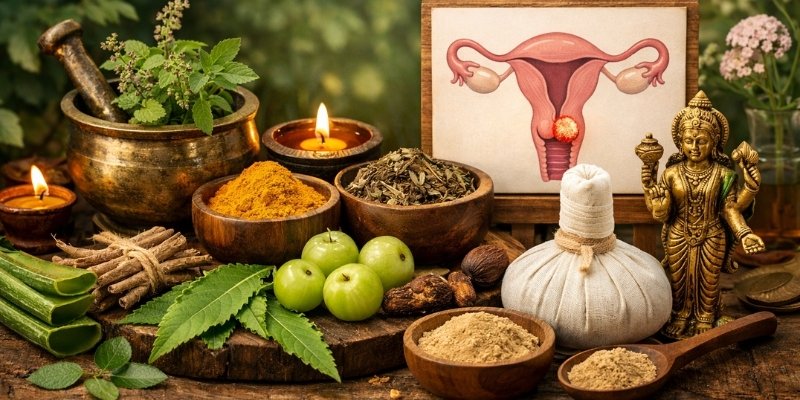
In Ayurveda, cervical cancer is correlated with “Yoni Arbuda,” caused by imbalance of Vata and Kapha doshas affecting reproductive tissues. The concept of cervical cancer ayurvedic treatment focuses on correcting these imbalances and strengthening the body’s natural defense mechanisms.
Modern Treatment Options
Treatment depends on the stage and condition of the patient. Options include surgery (conization or hysterectomy), radiation therapy, chemotherapy, targeted therapy, and immunotherapy. Early-stage detection offers better outcomes and less invasive treatments.
Symptoms of Cervical Cancer
Symptoms may not appear in early stages but can include abnormal vaginal discharge, bleeding between periods or after intercourse, pelvic pain, and urinary discomfort. These symptoms require immediate medical attention for proper evaluation.
Concept of Yoni Vyapath
“Yoni Vyapath” refers to disorders of the female reproductive system caused by dosha imbalance. Factors such as unhealthy diet, lifestyle habits, infections, and genetic predispositions contribute to these conditions. This concept helps in understanding the root cause of cervical cancer from an Ayurvedic perspective.
Concept of Yoni in Ayurveda
Ayurveda describes “Yoni” as the entire female reproductive system, including the uterus, cervix, and vagina. It performs essential functions such as menstruation, fertilization, pregnancy, and childbirth. Maintaining its health is crucial for overall well-being.
Ayurvedic Treatment of Cervical Cancer
The goal of Ayurveda is to address the root cause while improving overall health. The approach of natural treatment for cervical cancer ayurveda includes the following therapies :
3. Yonivarti (Herbal Suppositories)
Yonivarti is a localized therapy where herbal formulations are prepared into suppositories and applied internally. Darvyadi Yonivarti is one such formulation known for its effectiveness in gynecological conditions.
2. Classical Ayurvedic Formulations
Pushyanug Churna is a traditional herbal formulation used in gynecological conditions. It contains herbs like Ashoka, Lodhra, Musta, and Triphala, which help regulate bleeding, improve tissue health, and restore balance.
1. Oral Herbal Medications
Herbs like Lodhra (Symplocos racemosa) are known for their astringent, anti-inflammatory, and antioxidant properties. They help in managing gynecological disorders and support tissue healing.
Cissampelos pareira (Patha) is another important herb with immunomodulatory and antioxidant properties, helping the body fight abnormal cell growth.
6. Lifestyle and Dietary Recommendations
Ayurveda emphasizes a balanced diet, proper sleep, stress management, and regular exercise. Yoga and meditation help improve mental well-being and support overall healing.
5. Yoni Prakshalanam (Herbal Cleansing)
This involves washing the reproductive area with medicated decoctions like Pancha Valkal Kwatha. It helps maintain hygiene, reduce infection, and promote healing in affected tissues.
4. Yonipichu Therapy
In this therapy, medicated cotton soaked in herbal oils or decoctions is placed in the vaginal canal. Kshar Taila Yonipichu is commonly used to promote healing, reduce inflammation, and support tissue repair.
Prevention and Awareness
Preventive measures include HPV vaccination, safe lifestyle practices, regular screening, and maintaining overall health. Ayurveda also emphasizes preventive care through diet, detoxification, and balanced living.
Benefits of Ayurvedic Care
- Focus on root cause
- Holistic healing approach
- Improved immunity
- Better quality of life
- Complementary support to modern treatments
CancerInAyurveda follows an integrative approach, combining traditional Ayurvedic wisdom with modern understanding to support patients effectively.
Expert Ayurvedic guidance and Personalized Care
Cervical cancer is a serious condition that requires timely diagnosis and comprehensive care. While modern medicine provides essential treatments, Ayurveda offers a holistic approach that supports healing and improves quality of life. The principles of ayurvedic treatment for cervical cancer focus on restoring balance, strengthening immunity, and addressing the root cause.
CancerInAyurveda is committed to providing personalized Ayurvedic care, helping patients navigate their healing journey with natural and supportive therapies. With the right combination of awareness, prevention, and holistic care, better outcomes can be achieved.
Take control of your health today – consult CancerInAyurveda for cervical cancer ayurvedic treatment.
FAQs
1. Can Ayurveda support cervical cancer treatment?
Yes, Ayurveda can support cervical cancer care by improving immunity, reducing symptoms, and enhancing overall well-being. It works as a complementary approach alongside modern treatments, focusing on restoring balance in the body and promoting long-term healing through natural therapies and lifestyle changes.
2. What Ayurvedic therapies are commonly used for cervical cancer?
Common therapies include herbal medicines, detoxification procedures, Yonivarti, Yonipichu, and Yoni Prakshalanam. These approaches in ayurveda for cervical cancer treatment focus on balancing doshas, reducing inflammation, and supporting tissue healing while improving immunity and overall well-being in a holistic and natural manner.
3. Is it safe to combine Ayurveda with conventional cancer treatments?
Yes, combining Ayurveda with conventional treatments is generally safe when guided by qualified professionals. The approach of cervical cancer ayurvedic treatment supports recovery, reduces side effects, and improves overall health, but proper consultation is essential to ensure compatibility with ongoing medical therapies and individual health conditions.
4. What role does diet play in Ayurvedic cancer care?
Diet plays a crucial role in Ayurveda. A balanced, nutrient-rich diet tailored to an individual’s dosha helps improve digestion, boost immunity, and reduce toxin accumulation. Fresh, seasonal foods and proper eating habits are emphasized to support healing and overall well-being.
5. How long does Ayurvedic treatment take to show results?
The duration varies based on the individual’s condition, stage, and response to therapy. In natural treatment for cervical cancer ayurveda, consistent use of herbs, therapies, and lifestyle changes gradually improves health, strengthens immunity, and enhances recovery, focusing on long-term benefits rather than immediate results.