
End of Life Care Management
At End of Life Care, the goal of care is focused towards comfort, offering a tailored and individualized management of quality of life and approaching final days of the patient. Thus, early integration of supportive care and End of Life Care management in cancer is essential. In End of Life Care Management we manage Cancer related fatigue, pain, nausea and vomiting, dyspnea, noisy breathing, delirium, and social and psychological distress. As final days approaches, the oral route may be unsuitable due to generalized weakness, swallowing dysfunction, altered consciousness, nausea, vomiting or bowel obstruction so appropriate ayurvedic management is needed to be done.
Compassionate End of Life Care Management for Cancer Patients
Facing the final stages of cancer is one of the most emotionally and physically challenging experiences for patients and their families. During this phase, medical goals shift away from curative treatment toward comfort, dignity, and quality of life. End of life care for cancer patients focuses on relieving distressing symptoms, supporting emotional well-being, and ensuring the patient feels safe, respected, and cared for during their final journey.
At CancerInAyurveda, end-of-life care management is approached with deep compassion, individualized planning, and holistic Ayurvedic principles that support both the patient and their caregivers through this sensitive stage.
Understanding End of Life Care in Cancer
End of life care in cancer is centered on comfort-oriented management rather than disease control. It addresses not only physical symptoms but also psychological, social, and spiritual concerns that arise as patients approach their final days. Early integration of supportive care allows patients to experience better symptom control and emotional stability, reducing unnecessary suffering.
This phase recognizes that every patient’s experience is unique. Care plans are therefore tailored, taking into account disease progression, symptom burden, family dynamics, and personal values. The aim is to improve quality of life rather than prolong life at the cost of comfort.
Symptom Management Focused on Comfort
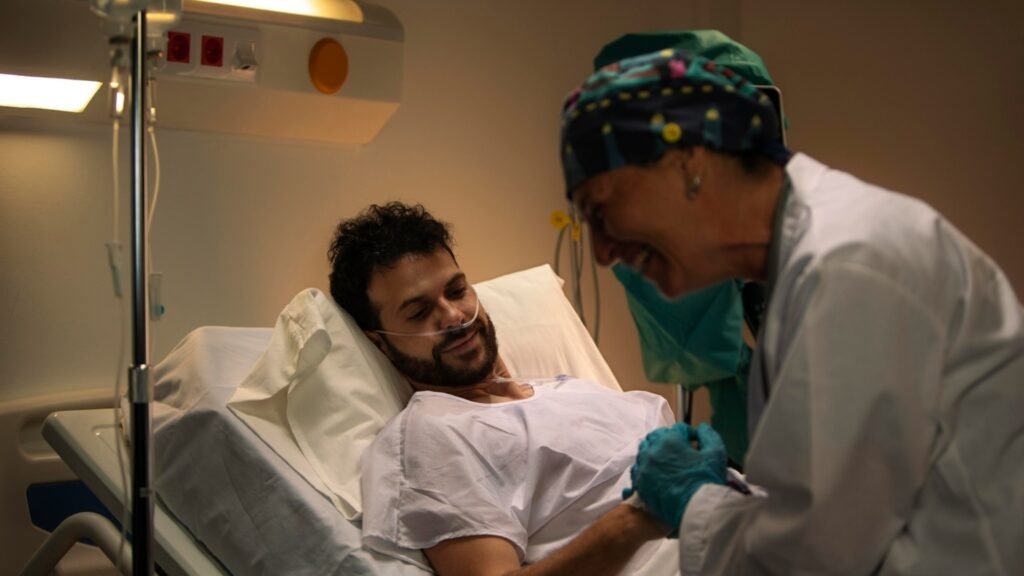
One of the most important aspects of end-of-life care is managing distressing cancer-related symptoms. Patients commonly experience fatigue, pain, nausea, vomiting, breathlessness, noisy breathing, confusion, and delirium as the disease advances. Emotional symptoms such as anxiety, fear, and depression often accompany physical discomfort.
Comprehensive care for terminal cancer patients includes continuous assessment and gentle interventions to reduce discomfort. Ayurvedic approaches focus on balancing the body, calming the mind, and providing relief without overwhelming the patient. Supportive therapies are adjusted frequently based on symptom changes and tolerance levels.
Adapting Care as the Body Weakens
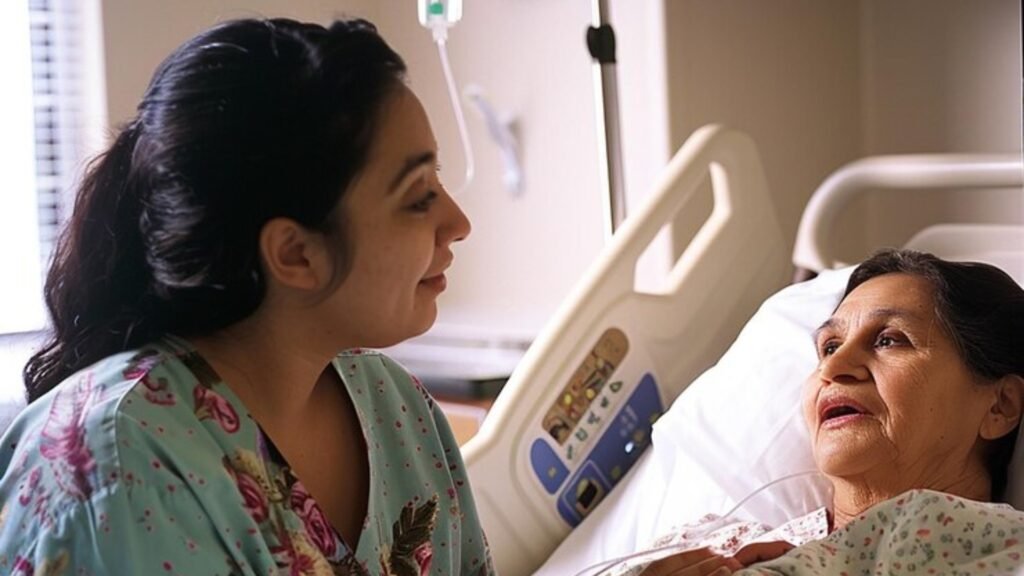
As patients approach their final days, the body undergoes significant changes. Generalized weakness, difficulty swallowing, altered consciousness, nausea, vomiting, or bowel obstruction often make oral medications unsuitable. At this stage, care must be adapted thoughtfully to the patient’s condition.
Ayurvedic management emphasizes appropriate alternatives when oral intake becomes problematic. Treatments are carefully selected to avoid burden while maintaining comfort. The approach respects the natural process of the body, prioritizing dignity and minimal intervention.
Emotional, Psychological, and Social Support
End-of-life care extends beyond physical symptoms. Patients may experience emotional distress, fear of dying, unresolved concerns, or social withdrawal. Families often struggle with grief, uncertainty, and caregiving stress. End of life support for cancer patients includes counseling, reassurance, and guidance for both patients and caregivers.
Providing emotional presence and clear communication helps families understand what to expect and how to support their loved one. This compassionate framework allows families to focus on meaningful moments rather than medical crises.
Holistic Ayurvedic Approach to End-of-Life Care
Ayurveda views the end of life as a natural transition that deserves respect and gentleness. Care is focused on calming the nervous system, reducing discomfort, and supporting mental peace. This approach integrates physical care with emotional and spiritual well-being.
At CancerInAyurveda, the care team works closely with families to create a supportive environment that aligns with the patient’s comfort needs and values. The goal is not intervention-heavy treatment but mindful, supportive care that enhances the patient’s remaining time.

Supporting Families Through the Final Phase
Families play a central role in end-of-life care. They need education, reassurance, and emotional support to navigate this difficult period. Care providers guide families on symptom changes, comfort measures, and when to seek additional support.
Last stage cancer care for comfort helps families feel confident that their loved one’s needs are being met with compassion and dignity. This reassurance reduces anxiety and allows families to focus on presence and connection.

A Compassionate Approach to Comfort and Dignity
End-of-life care management is about honoring life by prioritizing comfort, dignity, and peace. Through early integration of supportive care, individualized symptom management, and holistic Ayurvedic principles, patients can experience relief from suffering while families receive essential emotional support. CancerInAyurveda is committed to providing compassionate, respectful end-of-life care that supports both patients and their loved ones during this deeply meaningful phase.
Providing emotional presence and clear communication helps families understand what to expect and how to support their loved one. This compassionate framework allows families to focus on meaningful moments rather than medical crises.
If your loved one is facing advanced cancer and needs compassionate, comfort-focused care, contact CancerInAyurveda today to learn how our end-of-life care management can support peace, dignity, and quality of life.
FAQ
1. What is the goal of end-of-life care for cancer patients?
The primary goal of end of life care for cancer patients is to improve comfort and quality of life rather than focusing on curing the disease. This includes managing pain, fatigue, breathing difficulty, and emotional distress while supporting dignity, peace, and emotional well-being during the final stages of life.
2. When should end-of-life care be started in cancer?
End of life care in cancer should ideally begin early, once it is clear that treatment goals are shifting toward comfort rather than cure. Early integration allows better symptom control, emotional support, and smoother transitions for both patients and families, reducing crisis-driven decision-making.
3. How does end-of-life care support families of terminal cancer patients?
Families receive guidance on symptom changes, emotional support, and practical caregiving advice. Care for terminal cancer patients also includes counseling and reassurance for caregivers, helping them cope with grief, stress, and uncertainty while ensuring their loved one remains comfortable and respected.
4. What symptoms are managed during end-of-life care?
End-of-life care focuses on relieving pain, fatigue, nausea, breathlessness, confusion, anxiety, and psychological distress. End of life support for cancer patients ensures these symptoms are addressed compassionately, adapting care methods as the patient’s physical condition changes over time.
5. How does Ayurvedic care help in the last stage of cancer?
Last stage cancer care for comfort through Ayurveda emphasizes gentle symptom relief, emotional calmness, and respect for the body’s natural process. Treatments are tailored to the patient’s tolerance, especially when oral intake is limited, ensuring comfort without unnecessary interventions.